Global property platform · AI buying advisor
Find a home
worth owning, anywhere.
AIAIG brings together new, resale and rental homes around the world, with an AI advisor to work through budget, city and returns with you.
AIAIG AI Advisor
Tell the advisor
your budget and plans.
It searches our listings and research, compares cities, estimates returns and links you straight to matching homes.
Featured New Developments
Discover the latest launch opportunities from global gateway cities.
Explore New HomesNewUnited Arab Emirates · Dubai
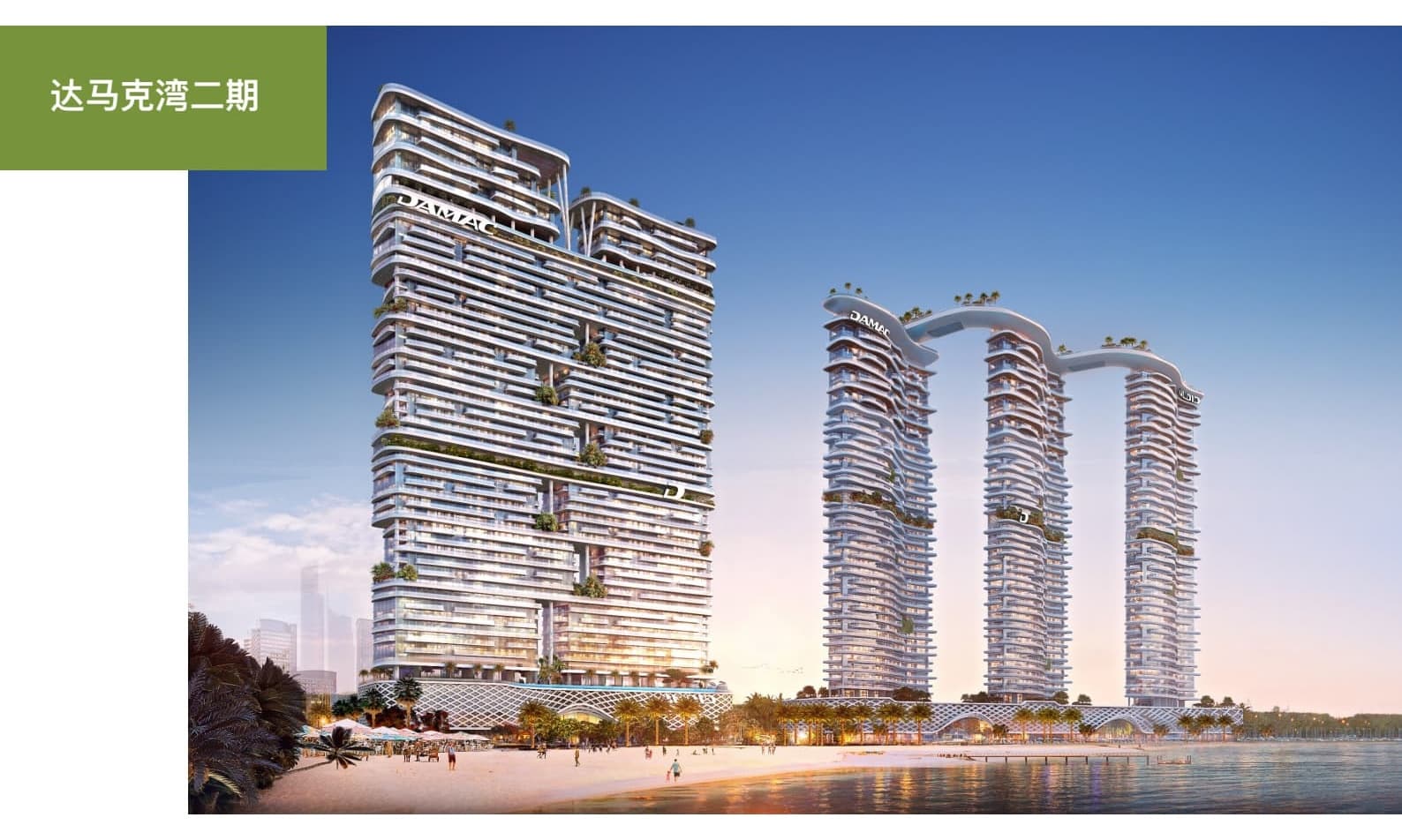
Dubai, UAE DAMAC Bay Phase 2 | Apartment | Dubai Harbour Waterfront Location
$1.14M
د.إ3.99M AED
 New
NewThailand · Bangkok
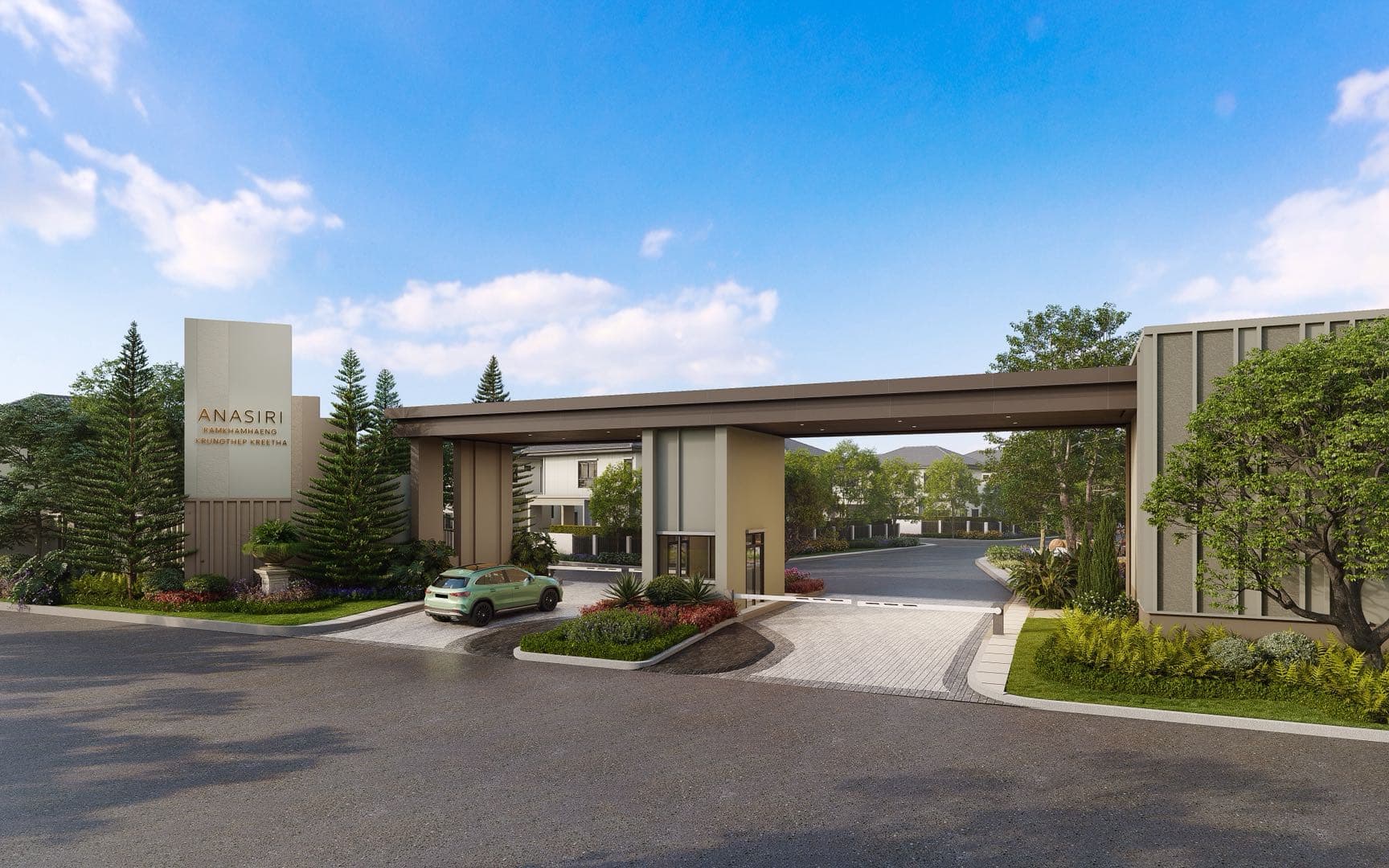
Bangkok, Thailand Krungthep Kreetha | Anasiri Si Rui Home Detached Villa | From 7.498 Million THB, 4 Bedrooms
$228K
฿7.5M THB
 New
NewThailand · Bangkok
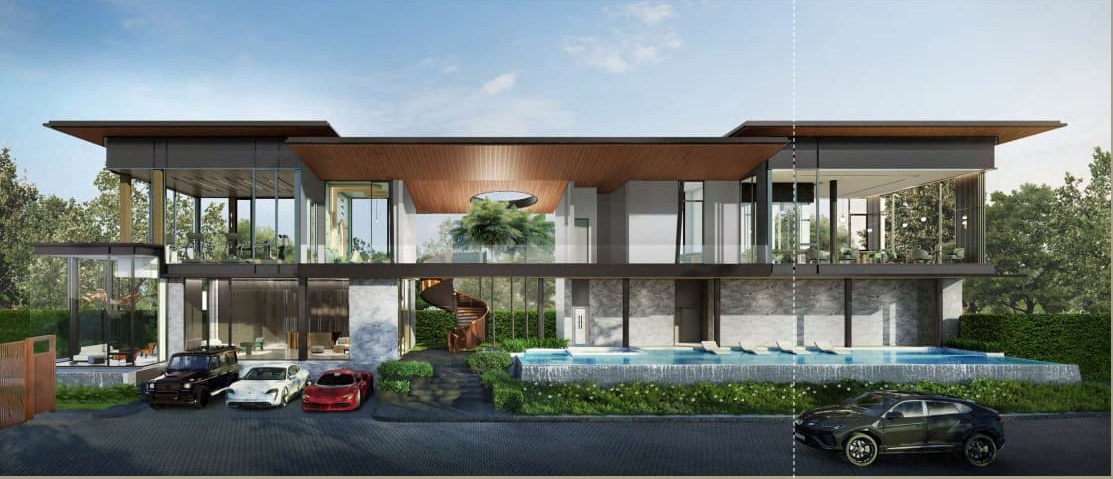
Thailand Bangkok Artale Asoke–Rama 9 Bangkok Manor | Detached Villa | Ready-to-move-in from approximately 36.9 million Thai Baht
$1.12M
฿36.9M THB
 New
NewThailand · Bangkok
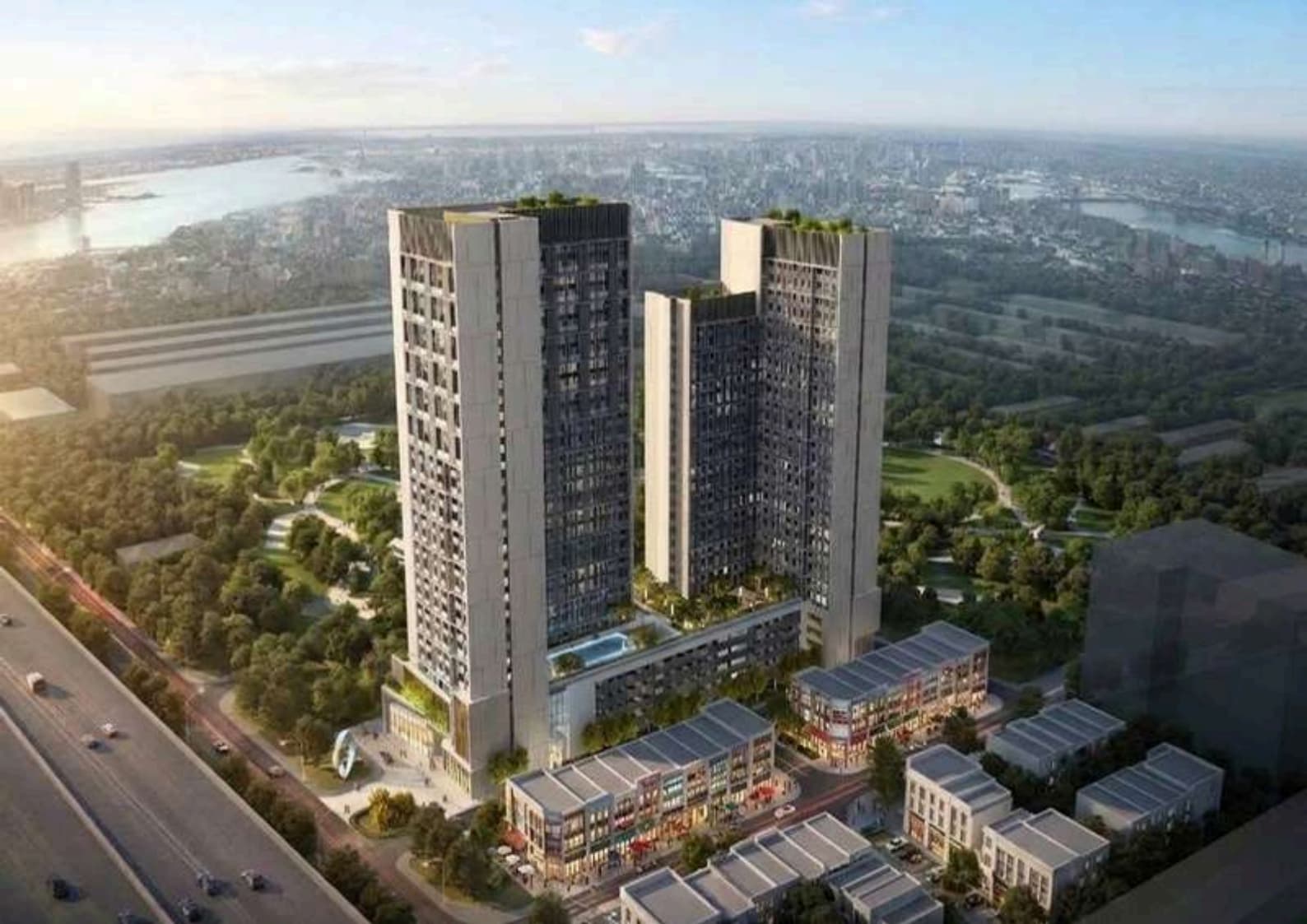
REGAL BANGNA, Bang Na, Bangkok, Thailand | Ready-to-move-in condo | Near MRT Si Iam Station
$0.0305
฿1 THB
 New
NewThailand · Bangkok
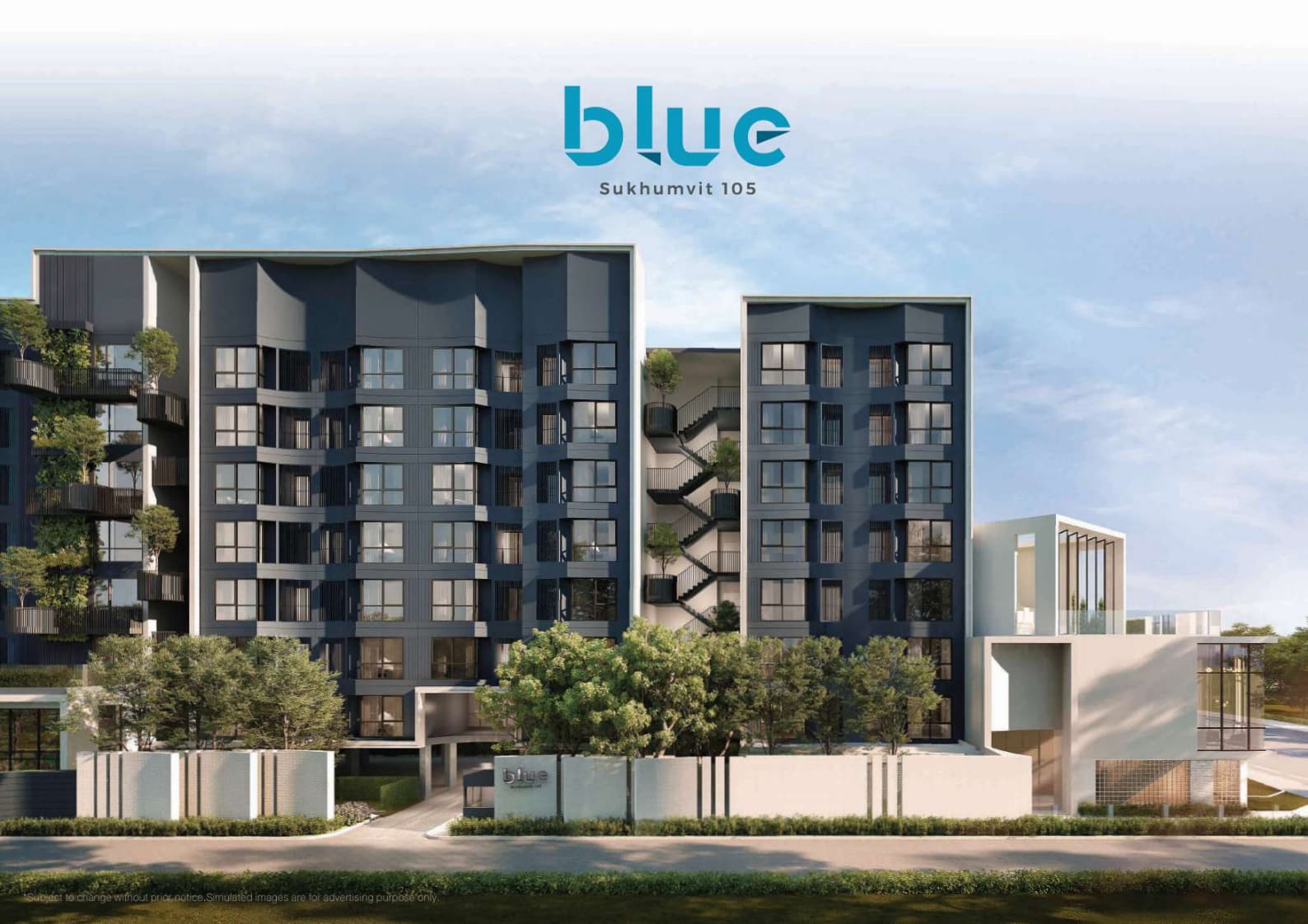
Blue Sukhumvit 105, Bangkok, Thailand | 1-Bedroom Condo | Ready-to-Move-In Freehold 2.29 Million THB
$69.8K
฿2.29M THB
Latest Resale Listings
Freshly added resale homes in established communities.
Browse Resale Homes
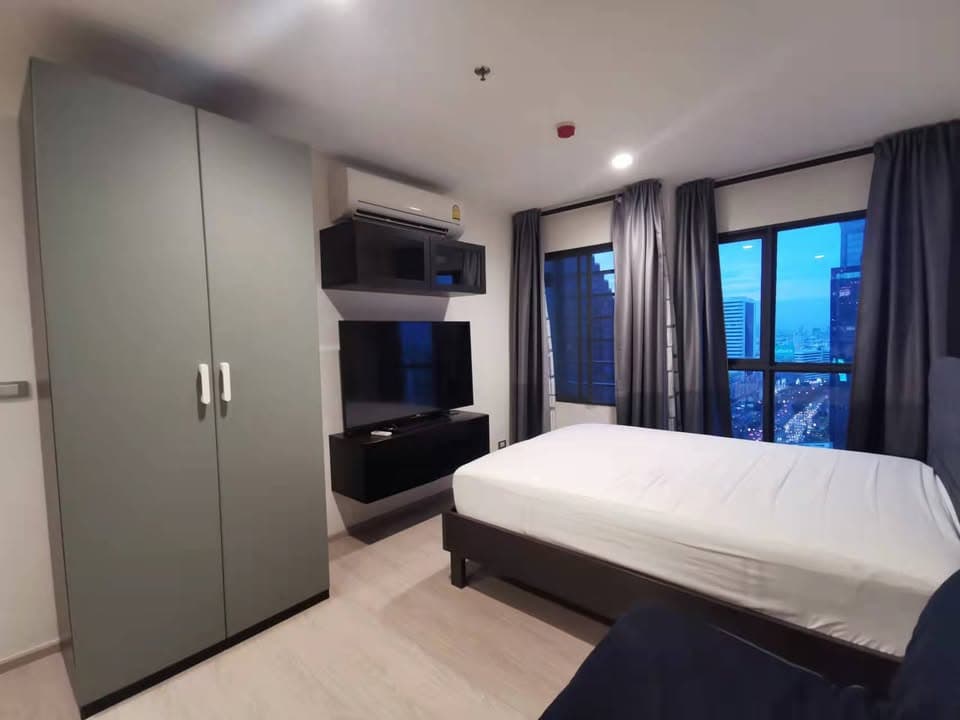
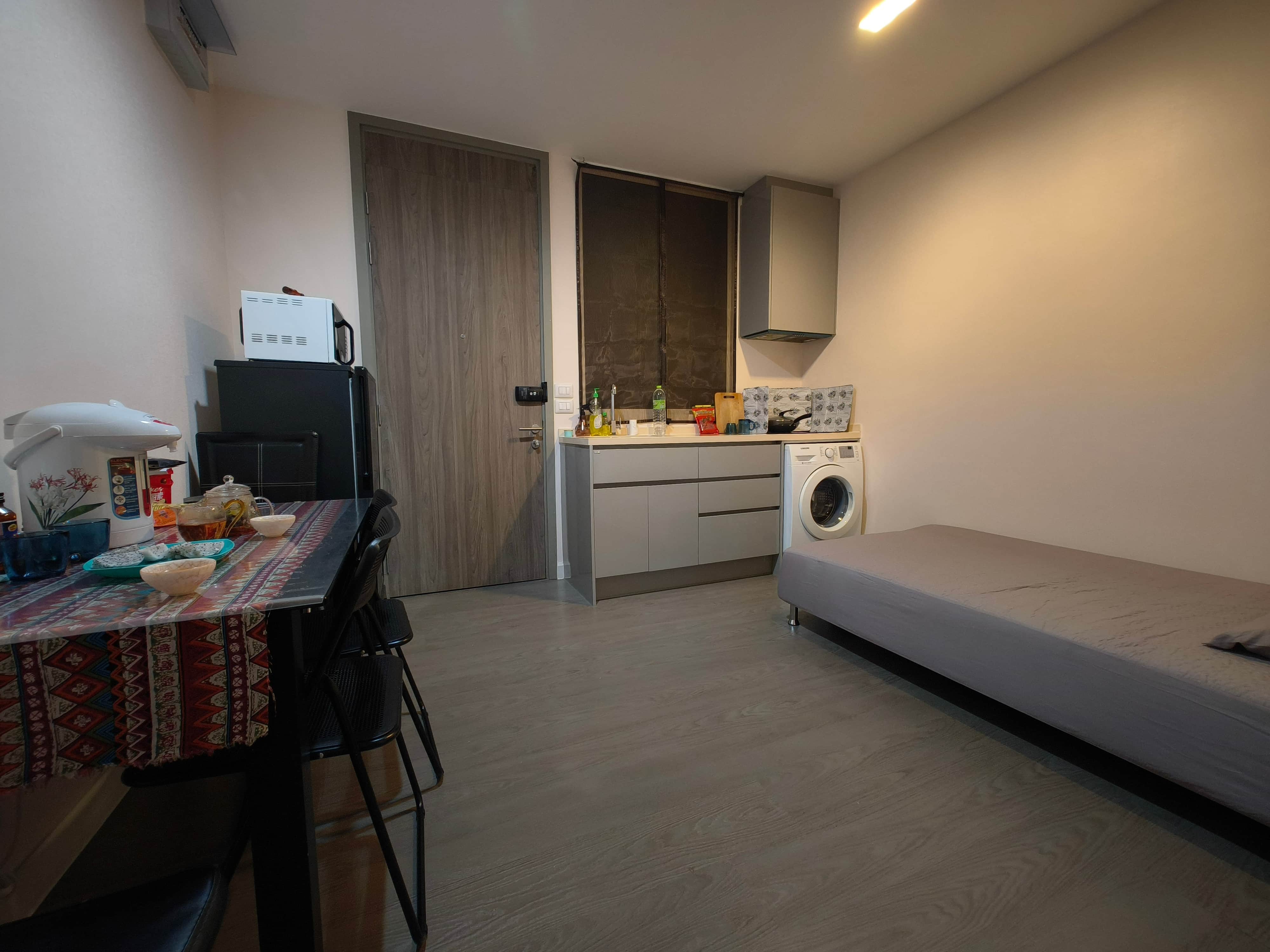
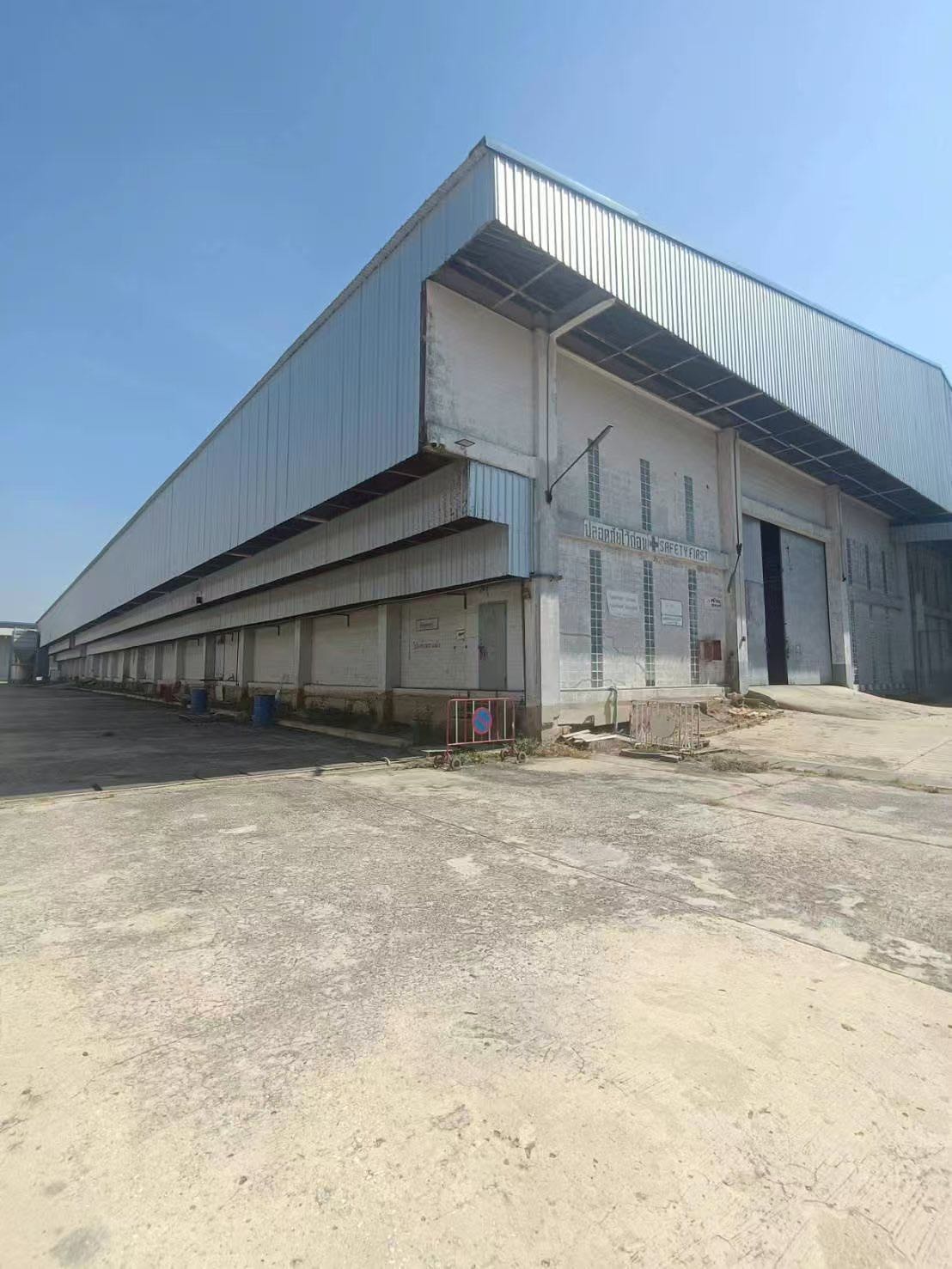
Featured Rental Listings
Freshly listed homes for flexible stays and long-term living.
Browse Rentals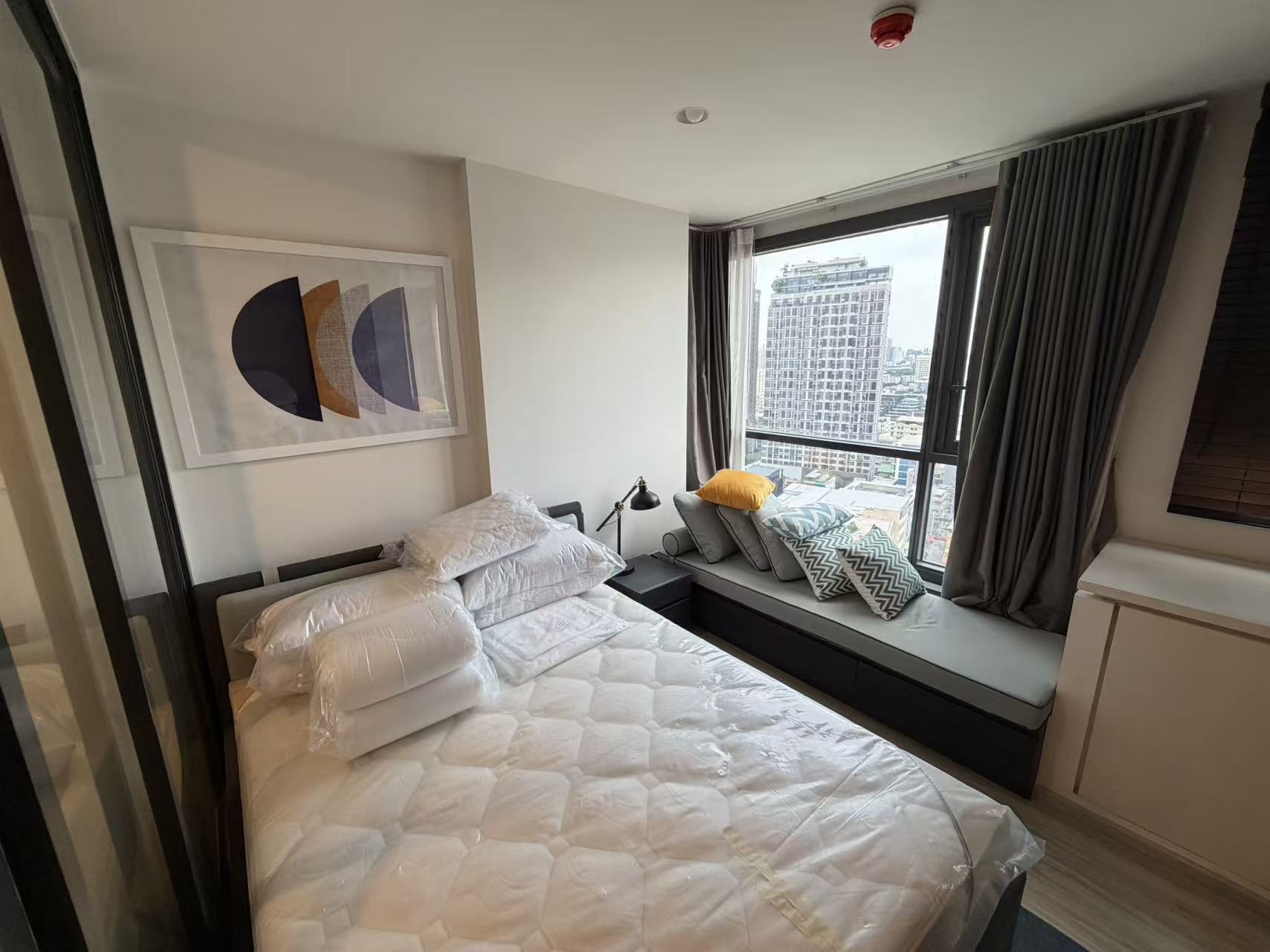 Rental
Thailand · Bangkok
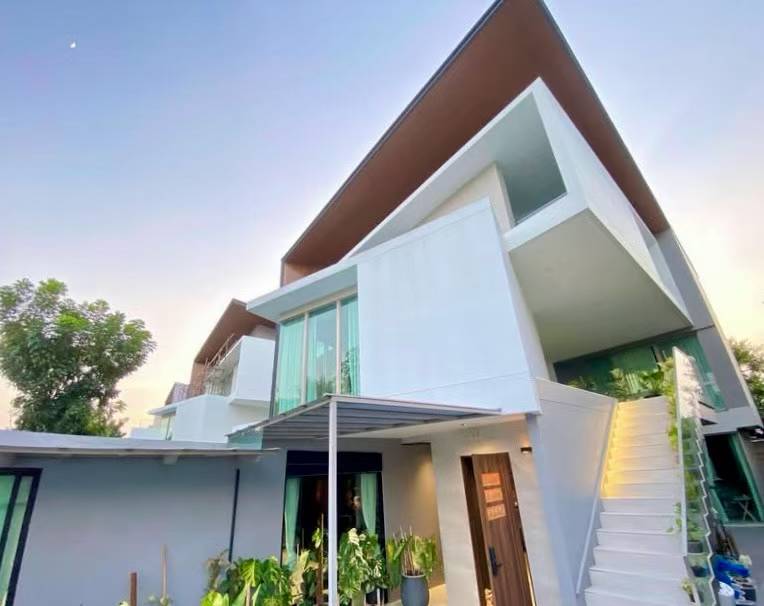
XT Huaikwang Condo in Bangkok, Thailand | 1 Bedroom 1 Living Room | Monthly Rent 16,000 THB Near MRT Huai Khwang Station
1 bed1 bath
$487/mo
฿16K THB
 Rental
Thailand · Bangkok
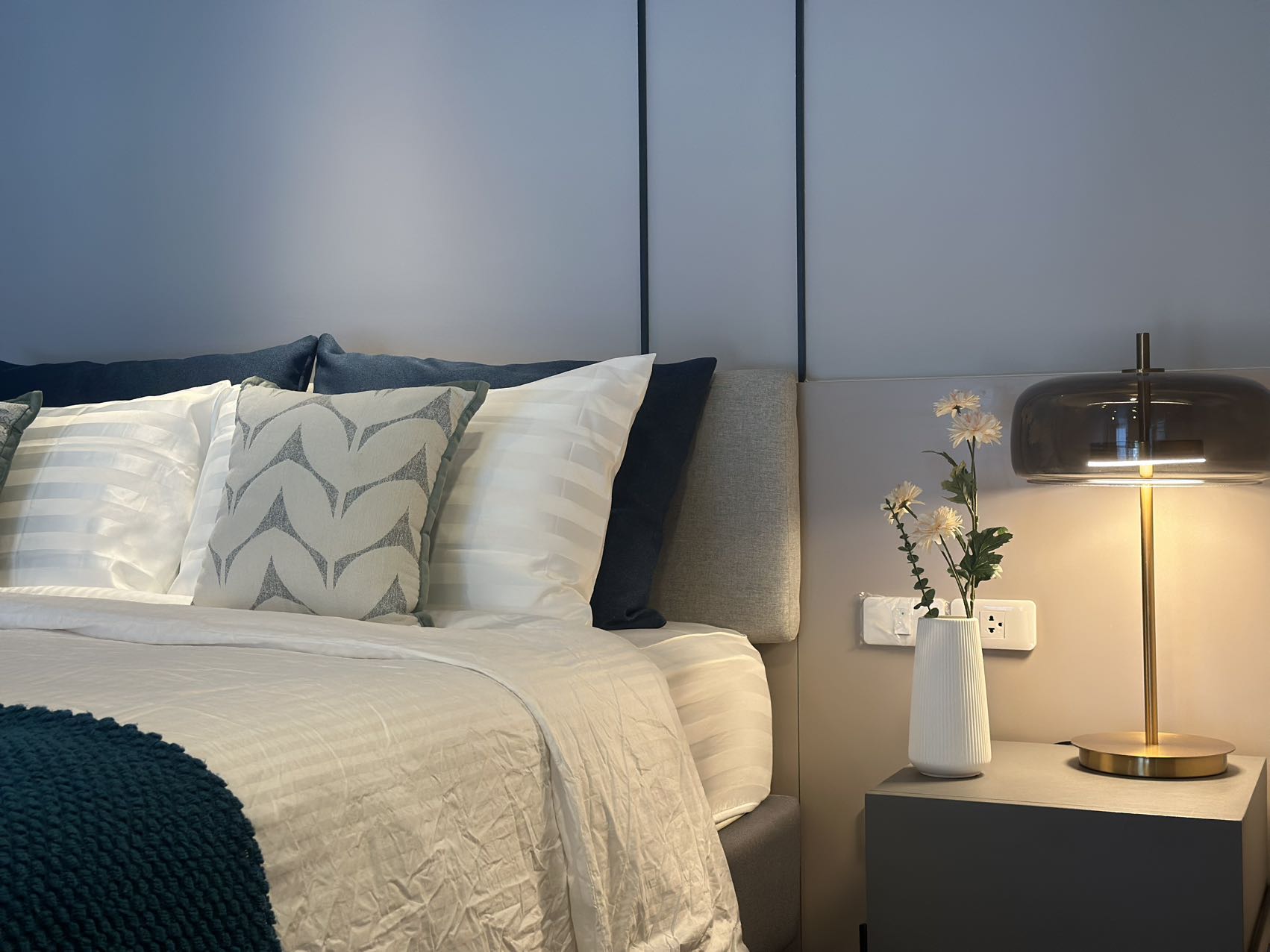
Detached Villa Near Bangkok's New Airport, Thailand | 4 Bedrooms 5 Bathrooms | Monthly Rent 220,000 THB
472 m²4 bed5 bath
$6.7K/mo
฿220K THB
 Rental
Thailand · Bangkok
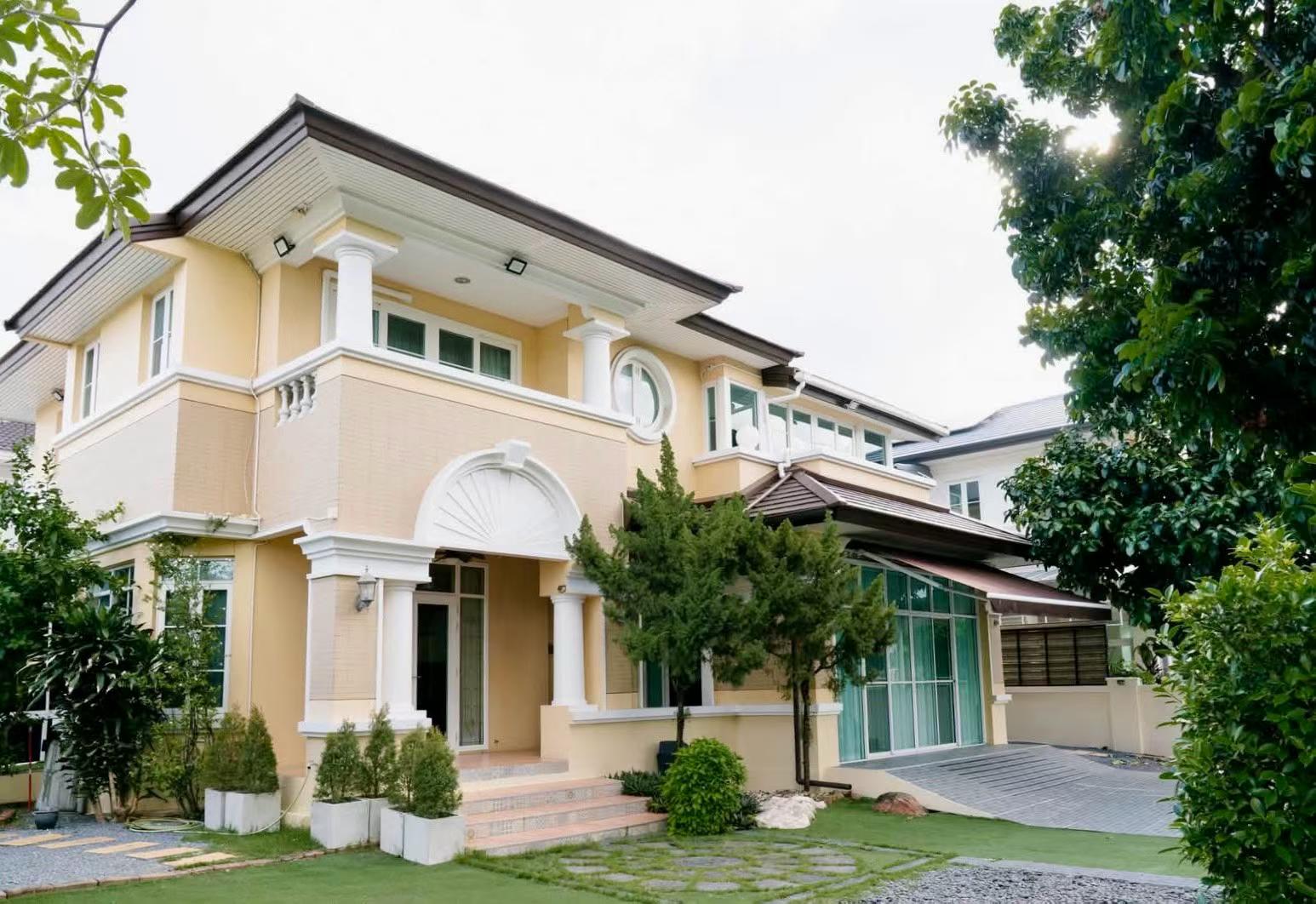
Culture Thonglor Loft Duplex Apartment in Bangkok, Thailand | 1 Bedroom Top Floor | Monthly Rent 35,000 THB
1 bed1 bath
$1.07K/mo
฿35K THB
 Rental
Thailand · Bangkok
Detached Villa in Rama9, Bangkok, Thailand | 5 Bedrooms 3 Bathrooms | Monthly Rent 89,000 THB
564 m²5 bed3 bath
$2.71K/mo
฿89K THB
Start with a city.























International Bulletin
Stay ahead with curated insights from worldwide real estate markets.
View All News
All
Philippines September 2026 Inflation Jumps to 7.20%: Housing Rebound and Policy Turning Point

All
Australia's 2026 Inflation Returns to 4%: Consumer Confidence Plunge and a Policy Crossroads

All
Spain 2026 Study Abroad and Immigration: An EU Degree Path Amid Record Housing

Newest Policy
Iceland Q3 2026 Policy Signals: Consumer-Confidence Plunge and Stagflation Warning