Laos 2026 Economic Policy Signals: GDP Growth 4.80%, FDI Inflows of US$302 Million, Tourism Record 4.58 Million, High Inflation in Southeast Asia's Landlocked Frontier
Laos 2026 economic signals: GDP steady growth at 4.80%, FDI inflows of US$302M, record tourism, but 7.60% high inflation remains the key risk.
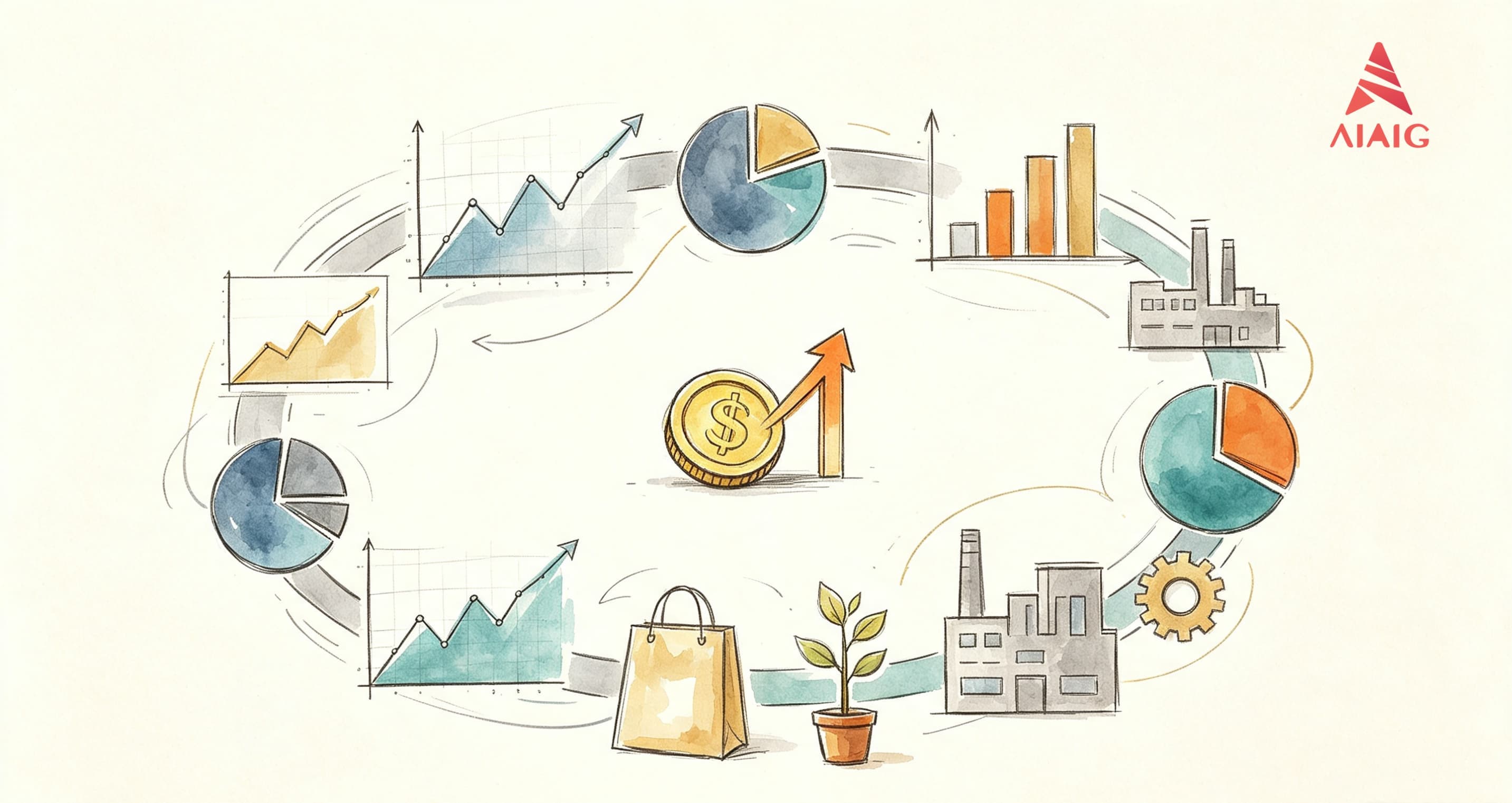
Key Signals
Laos, Southeast Asia's only landlocked country, stands at a crossroads of transformation and opening. Latest data sketches its 2026 economic picture: GDP grew 4.80% year-on-year in Q4 2025, continuing steady expansion; foreign direct investment (FDI) reached US$302.49 million in Q2 2026, reflecting sustained interest in this 'land-locked' nation; tourism shone — 4.58 million visitor arrivals in 2025 set an all-time record; yet inflation rose to 7.60% in July 2026, up from 7.40% in June, remaining the most salient risk.
For overseas Chinese investors focused on Southeast Asian frontier markets, Laos is an emerging market of both opportunity and challenge. China is deeply involved in Laos's hydropower, rail, and infrastructure projects, and the China-Laos railway has transformed Laos from a geographically isolated interior into a land bridge connecting China and Southeast Asia. This article decodes Laos's 2026 policy direction and investment signals across four dimensions: growth, FDI, tourism, and inflation.
Key growth and inflation data
Laos's GDP grew 4.80% year-on-year in Q4 2025, consistent with most regional emerging economies. Drivers include hydropower exports, logistics and people-flow from the China-Laos railway, and strong tourism recovery. Meanwhile, inflation rose from 7.40% in June 2026 to 7.60% in July, still well above most Southeast Asian neighbors, reflecting exchange-rate pressure on the kip and transmission of imported costs.
Laos inflation reached 7.60% in July 2026, above June's 7.40%; 2025 visitor arrivals reached 4.58 million, an all-time record.
— Source: Trading Economics (based on Laos official statistics)
Key data at a glance
| Indicator | Latest | Period |
|---|---|---|
| GDP annual growth | 4.80% | Q4 2025 |
| Inflation (CPI) | 7.60% | July 2026 |
| Foreign direct investment | US$302.49M | Q2 2026 |
| Annual visitor arrivals | 4.58M | 2025 |
| Exports | US$3.21B | Q2 2026 |
| Unemployment rate | 1.20% | 2025 |
The data structure reveals a typical emerging-economy profile of 'high growth, high inflation, low unemployment.' Export and FDI growth confirm the regional-integration dividend led by the China-Laos railway, while high inflation cautions that monetary and fiscal policy must remain prudent.
Impact on overseas Chinese investors
Laos's foreign-investment policy direction has remained open in recent years, with active participation in RCEP and the ASEAN-China FTA, providing an institutional framework for foreign capital. Chinese investors hold a prominent position in Laos's hydropower, mining, agriculture, and railway-corridor logistics. The China-Laos railway's opening has sharply raised Laos's strategic value as an overland China-ASEAN corridor.
However, investors must confront high inflation and FX risk. Kip depreciation pushes up import costs and means foreign-currency-settled projects may face exchange losses. Projects priced in RMB or USD should arrange proper hedging, and investors should track Laos's inflation response, such as interest-rate adjustments and exchange-rate management.
Positioning advice and pacing
On pacing, Laos's current stage suits 'observe and test small amounts' rather than heavy concentration. Prioritize logistics, tourism, and hydropower-support industries driven directly by the railway and regional energy cooperation, while taking geopolitical and policy-execution risk seriously. Keep prudent positions and longer holding horizons until inflation cools and stabilizes and the currency firms.
AIAIG View
Laos is one of Southeast Asia's most noteworthy frontier markets in landlocked transformation. The China-Laos railway turns its geographic disadvantage into locational advantage; FDI and tourism confirm the regional-integration dividend, but high inflation and kip pressure demand patience and discipline. Participate with small, long-horizon positions focused on logistics and hydropower advantages, and add gradually only after inflation and the currency stabilize.