Nepal 2026 New Economic Signals: GDP Rebound to 3.90%, Inflation Rising to 5.04%, Small FDI Inflows and Himalayan Economic Rebalancing
Analysis of Nepal's 2026 frontier-market signals: GDP steady expansion at 3.90%, inflation rising to 5.04%, and an allocation window as FDI starts from a low base — with risk caveats.
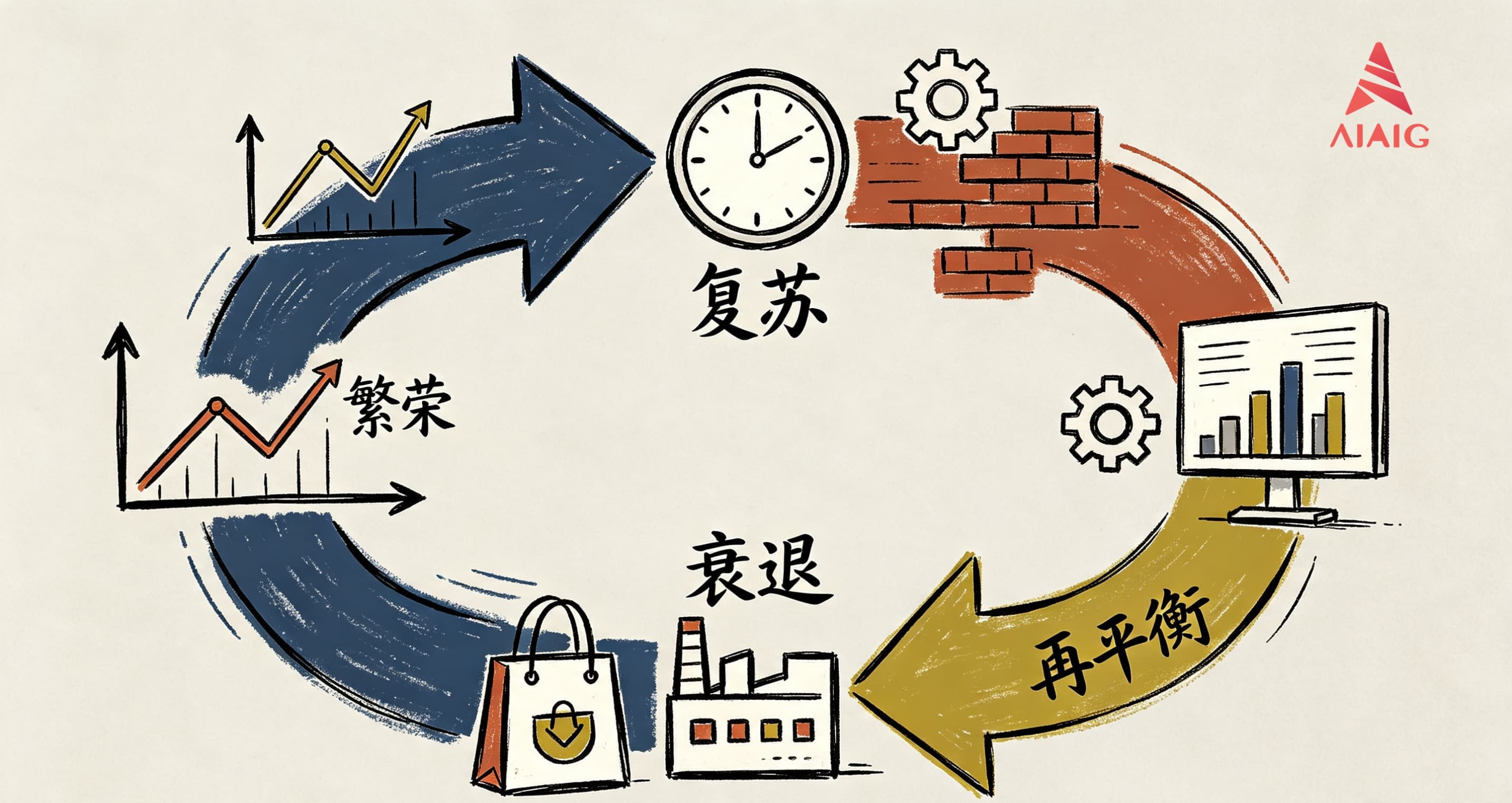
Key Signals
Nepal, a landlocked emerging economy in South Asia, has recently released macro data painting a picture of Himalayan economic rebalancing. Nepal's GDP grew 3.90% year-on-year in Q4 2025, continuing a moderate recovery trajectory; inflation rose to 5.04% in May 2026 from 4.47% in April, signaling incipient price pressures. Meanwhile, foreign direct investment (FDI) reached NPR 8.40 billion (approximately US$63 million) in 2024 — small in scale but signaling a gradual inflow of foreign capital.
For overseas Chinese investors focused on cross-border asset allocation and frontier-market opportunities, Nepal is a South Asian frontier economy that is often overlooked yet entering the early stages of structural transformation. This Himalayan nation has long depended on remittances and tourism, and is now attempting to open new growth windows across multiple sectors. This article decodes Nepal's 2026 economic signals across four dimensions — growth, inflation, foreign investment, and employment structure — and explores their potential implications for Chinese investors.
Q1: Where does Nepal's 3.90% GDP growth stand?
Nepal's GDP grew 3.90% year-on-year in Q4 2025 — moderate and healthy by regional standards. By contrast, India (also in South Asia) grew faster over the same period, but for a smaller economy constrained by natural disasters and geopolitics, 3.90% is solid. Growth is driven mainly by agricultural stabilization, continued recovery in tourism and services, and consumption lifted by remittances. Notably, Nepal's economy is highly dependent on its two giant neighbors, India and China, so growth quality is substantially tied to the smoothness of regional trade and logistics corridors.
Q2: What does inflation rising from 4.47% to 5.04% mean?
Nepal's inflation rose to 5.04% in May 2026 from 4.47% in April, reflecting upward pressure on food and energy prices. For a highly import-dependent economy like Nepal, international commodity prices and currency fluctuations transmit quickly to domestic prices. Rising inflation often implies room for tighter monetary policy, which can raise borrowing costs and temper some asset prices in the short term, while improving margins for consumer and infrastructure industries with pricing power. Nepal is thus in a phase where inflation is controllable but warrants vigilance.
Q3: Why does FDI of only ~US$63 million still matter?
Nepal's 2024 FDI of NPR 8.40 billion (about US$63 million) is negligible in cross-border investment terms, yet its direction matters more than its size. Nepal has gradually relaxed foreign access to hydropower, tourism, and IT, with hydropower becoming a focal point of regional energy cooperation. Chinese investors already play a prominent role in Nepal's hydropower and infrastructure projects. For institutional investors seeking early positioning in a frontier market and able to bear higher volatility and policy risk, Nepal's 'from zero to one' FDI stage presents a higher potential-return window.
Q4: How does a 10.50% unemployment rate affect assets and consumption?
Nepal's unemployment rate holds at a high 10.50%, reflecting significant structural imbalance in the labor market — many young workers head to Gulf states or Malaysia, making remittances a key economic pillar. High unemployment dampens domestic consumption potential but also keeps labor costs low, which is attractive to manufacturing and service investments. For overseas Chinese investors, Nepal's high unemployment signals both the urgency of economic transformation and a potential cost advantage for labor-intensive projects.
Q5: What window signals does Nepal offer overseas investors?
Overall, Nepal's most salient signal is the combination of 'low base, steady growth, controlled inflation.' Consecutive GDP expansion, still-manageable inflation, and FDI beginning to flow in from a low base together form a typical early-frontier positioning window. But investors must be clear-eyed about the high-risk nature: uncertain policy execution, infrastructure gaps, extreme climate risk, and heavy dependence on neighboring economies are all variables to weigh. A prudent approach is small, long-horizon participation focused on advantage sectors like hydropower and tourism, rather than chasing short-term returns.
AIAIG View
Nepal is undergoing a slow but real transformation. Domestically, it is extending its growth pillars beyond remittances and agriculture into hydropower, tourism, and infrastructure; externally, it seeks deeper integration in regional energy cooperation and cross-border logistics. For overseas Chinese investors, Nepal's core value lies not in its current market size but in its 'early-stage' positioning — a low FDI base, steady growth momentum, and clear transformation intent.