Philippines Issues 13th Foreign Investment Negative List (RFINL): Telecom Opens to 100% Foreign Ownership, Retail Liberalized — Complete Guide for Overseas Investors
President Ferdinand Marcos Jr. signed an executive order on April 13, 2026, promulgating the 13th Regular Foreign Investment Negative List (RFINL). This marks the first RFINL under the Marcos administration, maintaining restrictions in most sectors while opening telecommunications to 100% foreign ownership and easing entry thresholds for small-scale retail trade. The policy shift has direct implications for overseas Chinese investors considering business expansion in the Philippines.
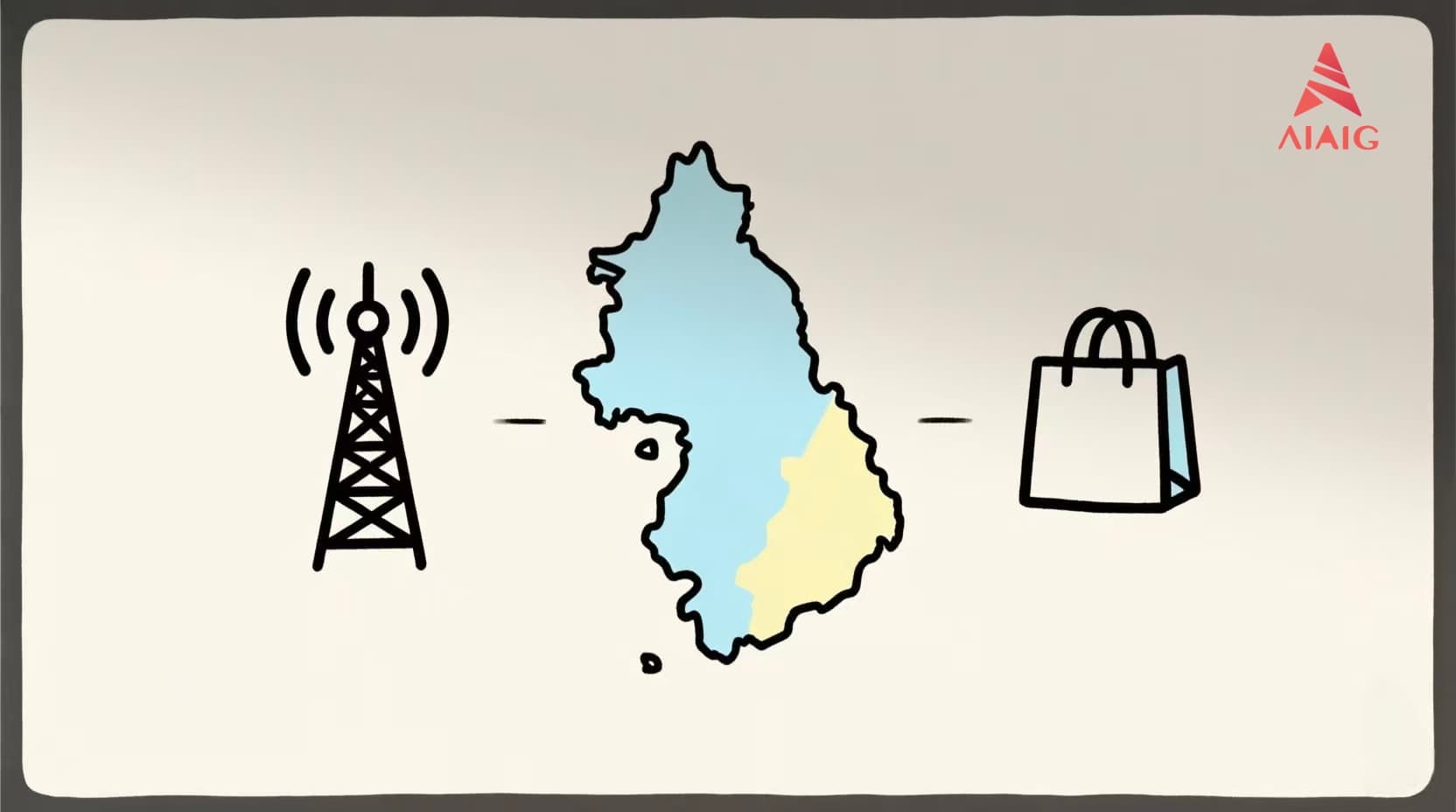
On April 13, 2026, Philippine President Ferdinand Marcos Jr. signed an executive order promulgating the 13th Regular Foreign Investment Negative List (RFINL) — the first foreign ownership restriction list issued under the Marcos administration.
The RFINL is the Philippines' core policy tool for managing foreign investment access, updated biennially, specifying foreign ownership ceilings across various sectors. The 13th RFINL maintains most sectoral restrictions while making notable liberalization in telecommunications and retail, signaling a significant step toward attracting foreign capital.
The 13th negative list allows foreigners 100% ownership of telecommunications operations for the first time, subject to reciprocity requirements — that is, whether the foreign country allows Filipinos to own telecommunications firms there.
Key Changes in the 13th RFINL
| Sector | Previous Policy | New Policy | Change |
|---|---|---|---|
| Telecommunications | 40% foreign cap | 100% (subject to reciprocity) | 🔺 Major Liberalization |
| Small Retail (paid-up capital < Php 25M) | Filipino-only | Up to 40% foreign | 🔺 Moderate Opening |
| Mass Media, Broadcasting, Education, Land Ownership | 0-25% foreign cap | Unchanged | ➡️ Maintained |
| Natural Resources & Public Utilities | 40% foreign cap | Unchanged | ➡️ Maintained |
| Construction Contracting | 40% foreign cap | Maintained at 40% | ➡️ Maintained |
| Professional Services (law, accounting, etc.) | Filipino-only | Unchanged | ➡️ Maintained |
Sources: Compiled from Philstar, BusinessMirror, Manila Standard, Rappler reports.
Impact Analysis for Overseas Chinese Investors
1. Telecom Liberalization Creates Business Opportunities
The 100% foreign ownership allowance in telecom is the most groundbreaking change in this RFINL. The Philippines has a population of over 110 million but lags behind in telecommunications infrastructure, with internet penetration and speed ranking low in Southeast Asia. Previously, the market was dominated by two local players, PLDT and Globe.
Full foreign ownership means overseas capital can now establish or acquire telecom companies in the Philippines, participating in the country's digital infrastructure development. For Chinese companies with telecom or tech expertise, this is a new investment gateway.
2. Retail Liberalization Opens a New Track for Small Investors
Small-scale retail (paid-up capital under Php 25M, approximately $430,000) was previously completely off-limits to foreign capital. Now, foreigners can hold up to 40% equity. While not full liberalization, this provides a participation channel for smaller investors looking to enter the Philippine consumer market.
Notably, large-scale retail (paid-up capital over Php 25M) was already open to foreign investment; this adjustment primarily targets small and medium retail formats.
3. Key Restricted Sectors to Watch
Sectors prohibited to foreign investment include: mass media, professional practice (lawyers, doctors, accountants), small-scale retail trade, cooperatives, small-scale mining, etc.
Sectors with foreign ownership limits include: natural resources (40% cap), public utilities (40% cap), educational institutions (40% cap), advertising (30% cap), construction contracting (40% cap), among others.
4. Practical Implications of Reciprocity Requirements
The 100% telecom liberalization comes with a reciprocity condition — meaning the foreign investor's home country must allow Philippine companies equivalent access. Mainland China's telecom market also has strict foreign ownership restrictions, which could complicate approval processes in practice. Investors should consult local legal counsel to assess the reciprocity clause's impact on investment structuring.
AIAIG Insights
The 13th RFINL reflects the Marcos administration's gradualist approach to foreign investment liberalization — maintaining core sector restrictions while selectively opening strategic infrastructure like telecom. For overseas Chinese investors, the telecom and tech infrastructure window is opening, though retail and other sectors remain partially restricted.
Actionable recommendations:
- Monitor telecom sector implementation guidelines and reciprocity clause operational rules;
- Leverage the 40% foreign equity cap in retail to access the domestic consumer market;
- Explore joint venture (JV) structures for public utilities and natural resources;
- Track the next RFINL update (expected 2028) for further liberalization signals.