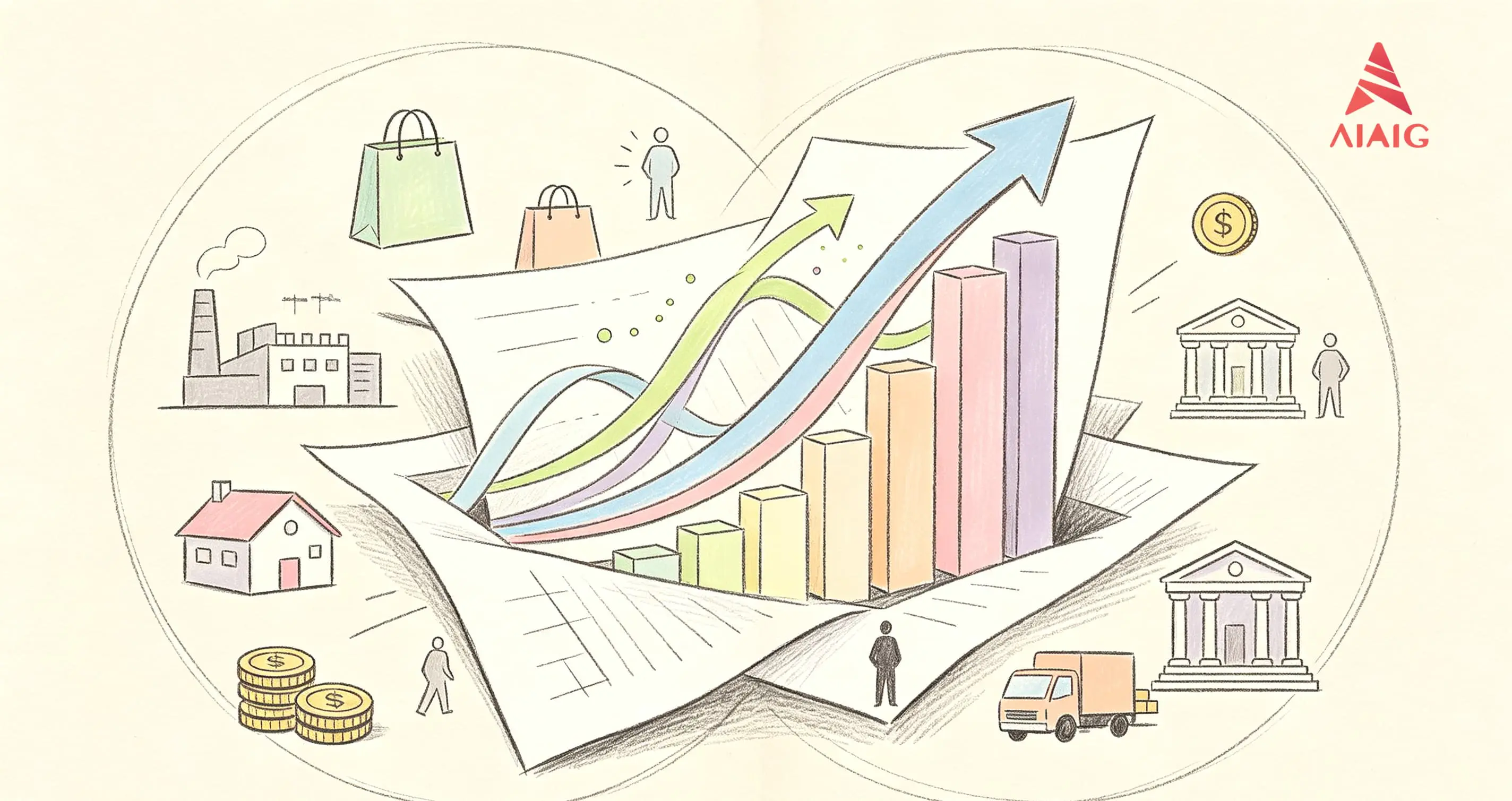
Policy Summary: growth and the cost of deep reform
Latest figures from Egypt's statistics agency show GDP grew 5.00% year-on-year in Q1 2026, above expectations and extending the post-currency-crisis recovery of 2023-24. Quarterly net foreign direct investment (FDI) topped USD 10.6 billion, among recent quarterly highs, while unemployment eased to 5.80% in Q2 2026 from 6.00% in Q1.
The other side of the coin is inflation: the consumer price index (CPI) rose to 14.90% in July from 14.30% in June, shaped by currency-market liberalisation and phased fuel/utility price hikes. This is the core signature of Egypt's current policy — 'short-term inflation pain for long-term structural gain' — in line with its multi-billion-dollar IMF programme.
This article maps the latest signals and what they mean for Chinese investors and operators eyeing the Middle East and Africa.
Official stance and policy threads
"The return of growth to the 5% range reflects our strategy of macroeconomic stabilisation, encouraging the private sector and expanding exports; the phased rise in inflation is chiefly a result of currency and price reform — a manageable and foreseeable transition."
— Condensed summary of policy messaging accompanying Egypt's Q1 figures (please refer to official releases for exact wording)
Key data snapshot (2026)
| Indicator | Latest | Prior / note |
|---|---|---|
| GDP growth (y/y) | +5.00% (Q1) | above expectations |
| Net FDI | USD 10.6bn+ (quarter) | elevated |
| Unemployment | 5.80% (Q2) | 6.00% (Q1) prior |
| Inflation (CPI) | 14.90% (Jul) | 14.30% (Jun) prior |
Three pillars of reform
1. Exchange-rate unification and openness. Egypt has pushed currency-price liberalisation and wider foreign access; privatisation and 'land-for-cash' development have drawn Gulf sovereign funds and builders into the Red Sea coast and New Administrative Capital zones.
2. Industry and export orientation. It is steering energy transition, autos, agro-processing and IT outsourcing to turn its demographic dividend into manufacturing and services competitiveness.
3. Fiscal and debt rebalancing. Within the IMF framework, Egypt is curbing deficits and public debt and improving SOE efficiency. In the short run these amplify inflation; in the medium run they offer foreign capital a more transparent, sustainable institutional environment.
Implications for Chinese investors and going-global firms
GDP back to 5% and quarterly FDI breaking USD 10bn signal that Egypt is in a post-crisis 'institutional-arbitrage window': valuations are relatively low after a deep currency adjustment, while the government is keen to cash reforms in with foreign capital. Three opportunity layers stand out:
Layer 1 — infrastructure and new-zone property. Value-oriented real estate and supporting development in the New Administrative Capital and Red Sea resorts suit long-horizon capital willing to accept emerging-market regulatory and FX volatility.
Layer 2 — industrial integration. Textiles, auto parts and home appliances give access to the African Continental Free Trade Area of 1bn+ people and tariff preferences toward Europe and the Gulf — real supply-chain relocation potential.
Layer 3 — services and trade platforms. Suez Canal Economic Zone and Alexandria port hubs offer entry for logistics, re-exports and cross-border settlement.
AIAIG View
High growth plus high inflation means Egypt is not a market for 'bottom-fishing' impulse but for 'institutional participation': capturing the demographic dividend through licensed partners, compliant local structures and phased entry, while budgeting FX swings into cash flows. For most individual investors, direct property purchase still warrants caution — better to use funds or structured, staged developer deals to limit exposure. Real opportunity belongs to those who read the system and stay the course.
Last updated Sep 4, 2026