Ireland 2026 Study Abroad Comprehensive Guide: Student Visa Policy, Graduate Work Scheme (12-24 Months), and Permanent Residency Pathway for Chinese Students
Ireland is emerging as a top European study destination for Chinese students in 2026. With standardized financial proof requirements, a generous Third Level Graduate Scheme (12 months for bachelor's, 24 months for master's/PhD), and a thriving tech and pharma job market, Ireland offers a clear path from education to permanent residency.
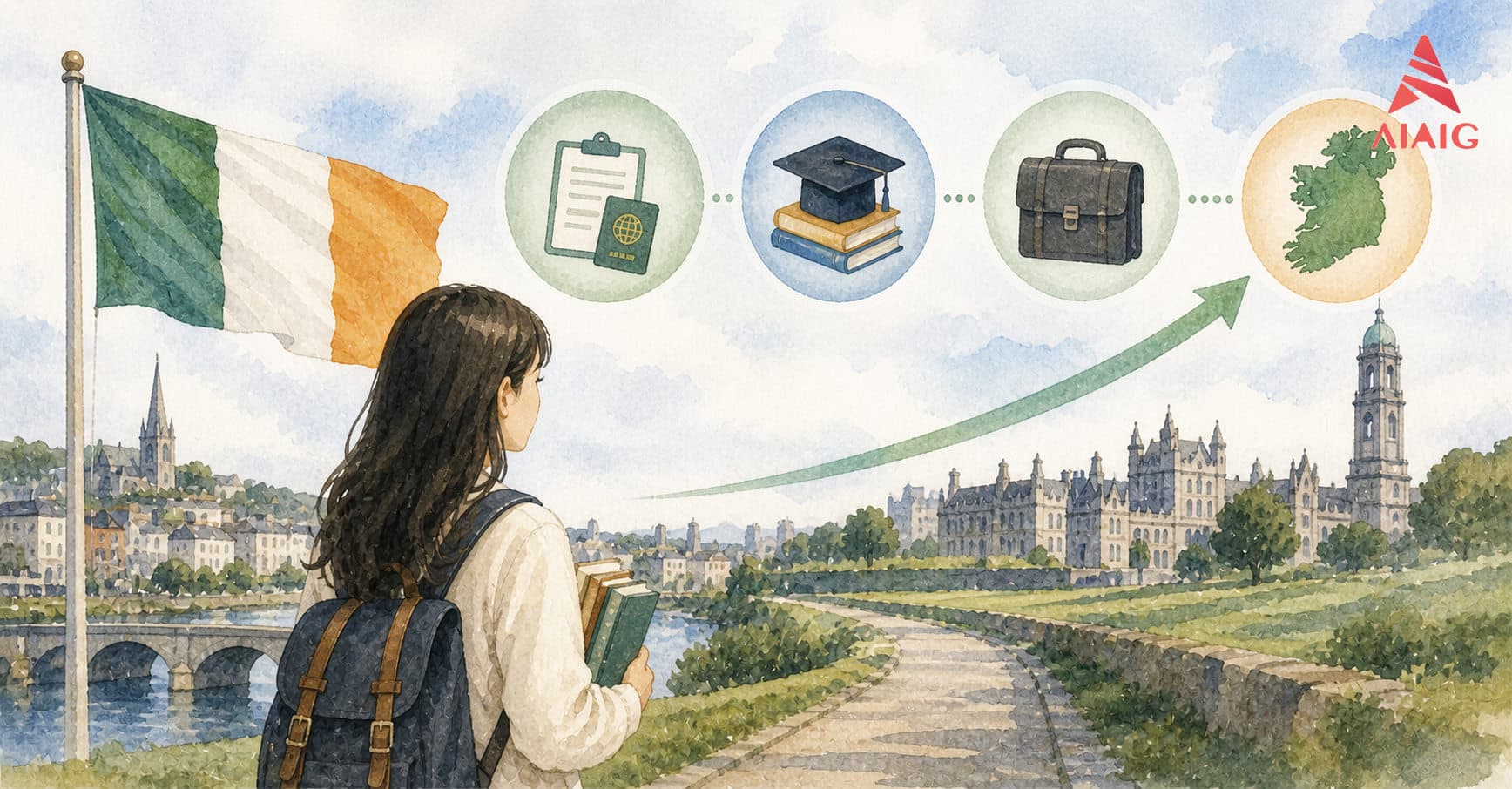
Ireland, the Emerald Isle, is emerging as a hot new destination for international students. In 2026, while maintaining strong momentum in its tech and pharmaceutical sectors (Google, Apple, Pfizer, Meta and other giants have their European headquarters in Dublin), Ireland has introduced a series of policy adjustments for international students that provide clear pathways for post-study employment in Europe.
For Chinese students and families, Ireland offers unique appeal: a genuine English-speaking environment, relatively affordable tuition (undergraduate 10,000-25,000 EUR/year, postgraduate 12,000-35,000 EUR/year), proximity to the UK, and distinct post-study work rights among non-EEA countries. In contrast to the UK's 2026 tightening of graduate visas (shortened to 18 months), Ireland has maintained and even optimized its Third Level Graduate Scheme.
Key Changes in Ireland Student Visa Policy 2026
Standardized Financial Requirements
Since June 30, 2025, Ireland has implemented more standardized financial proof standards:
- Courses longer than 1 year: must demonstrate access to at least EUR 10,000 for the first academic year's living expenses (excluding tuition)
- Courses of 8 months or less: EUR 833 per month, up to EUR 6,665
- Must provide evidence of source, stability, accessibility, and sufficiency of funds
- Proof of paid tuition fees (at least EUR 6,000 or institution's minimum deposit)
Application Process
- Unconditional offer letter from a recognized Irish institution
- Valid passport (at least 12 months validity)
- Academic transcripts and certificates
- English proficiency test results (typically IELTS 6.0-6.5)
- Biometrics may be required for certain nationalities
- Processing time: 4-8 weeks, apply 3 months before travel
Special Note: English Language School Tightening
The Irish government is exploring restrictions on private English language school enrollments, including national quotas, higher financial requirements, minimum tuition fees, and limiting part-time work rights. Some language schools are perceived to be using student visas as a route to the labor market.
Post-Study Work Rights (Third Level Graduate Scheme)
This is the highlight of studying in Ireland:
- Bachelor's graduates (Level 8): 12-month residence extension, full work rights, no job offer required at application
- Master's and above (Level 9+): 24-month residence extension, full work rights
- PhD graduates: Also 24-month extension
- Application deadline: Within 6 months of course completion
From Graduate to Permanent Residency
Irish graduates can transition to work permits via:
- General Employment Permit (GEP): Salary above EUR 30,000, requires labor market test
- Critical Skills Employment Permit (CSEP): Salary above EUR 38,000 (critical skills list roles), no labor market test
- STEM Advantage: Ireland has Europe's highest concentration of tech and pharmaceutical industries, with strong demand for STEM talent
How do Ireland's study costs compare to the UK and Australia? Is it good value?

What are the employment prospects for Chinese graduates in Ireland?
Can international students work part-time in Ireland? What are the limits?