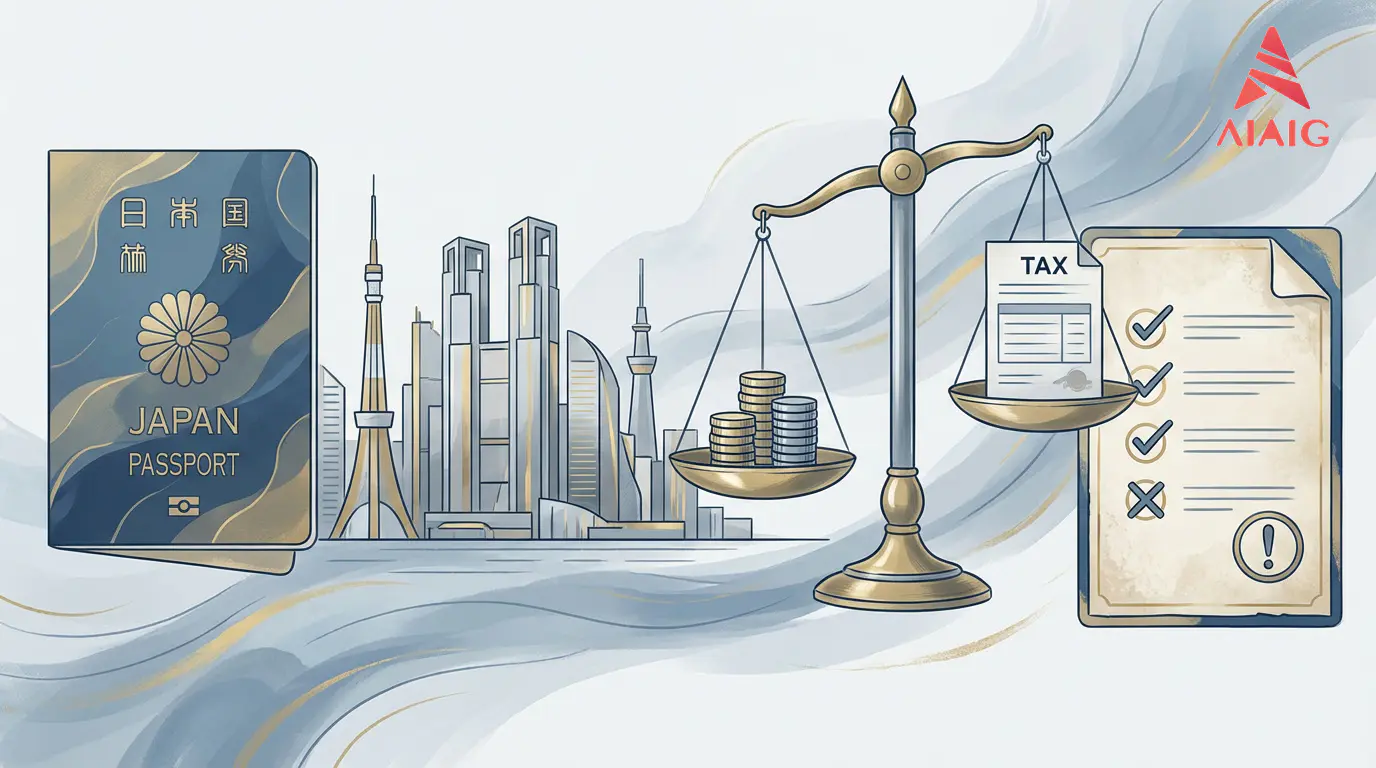
日本出入国在留管理厅近日发布新规草案,将于2027年4月正式实施永住资格撤销制度。这项被视为日本移民政策史上最重大变革之一的新规,首次明确了可撤销已获批永住权的法定情形:故意拖欠税款或社会保险费。更引人注目的是,政策明确引入溯及既往的审查机制,对造假申请行为进行倒查追责。
这一政策转向的背后,是日本政府对移民系统诈欺行为打击力度的全面升级。近年来,经营管理签证(Business Manager Visa)遭大规模滥用成为监管重点。入管局已公开表示,将通过税务记录与工作经历的双重审查,对永住申请者倒查5-10年,重点打击虚假申报、空壳公司、以及"买签证"等造假行为。政策过渡期至2027年3月,期间补缴税款或可免于撤销,但造假记录将被永久存档。
- 日本永住撤销新规的"故意拖欠"认定标准是什么?
- 入管局采用双重测试标准:第一,审查拖欠是否存在不可避免的情形(重病、失业、自然灾害等);第二,确认本人是否明知缴费义务却故意不缴。两者同时满足且被认定为恶意拖欠,主要特征包括「反复拖欠」或「明显逃避意图」。值得注意的是,政策设定2027年3月前的宽限期,在此期间补缴可能免于撤销,但申请造假记录将被永久存档,影响未来签证更新。
- 溯及既往审查对已有永住权的华人影响有多大?
- 影响极为深远。入管局明确表示将对永住者的历史记录进行「不定期抽查」,重点倒查过去5-10年的税务与社保缴纳情况。对通过经营管理签证转永住的路径审查尤为严格,要求提供公司实际经营证明、纳税凭证、员工社保缴纳记录等。一旦被认定为申请时造假,即使已持有永住资格多年,仍可被追溯撤销。这对早期通过灰色操作获取永住的投资者构成致命风险。
- 华人投资者应如何提前布局应对合规风暴?
- 三大应对策略:第一,立即进行「历史记录自查」,补全过去5年的税务与社保记录,特别是经营管理签证持有者需准备完整的经营证明链;第二,2027年前完成「合规化管理」,将个人资产与日本公司税务完全合规对接,避免公私账户混用;第三,建立「长期合规档案」,保留所有税单、社保缴纳凭证、雇佣合同等文件至少10年。对准备申请永住者,建议推迟至政策明朗后再提交,或寻求专业移民律师进行预审。
AIAIG观点:日本此次永住撤销新规标志着其移民政策从「吸引人才」向「合规优先」的根本转变。对华人投资者而言,最大的风险并非政策本身,而是历史合规瑕疵被追溯。2027年前的宽限期是最后的整改窗口,建议立即启动专业审计,切勿抱有侥幸心理。长远来看,这反而将筛选出真正合规的优质投资者,有利于日本房地产市场的健康发展。
最后更新 2026年4月10日