Policy snapshot
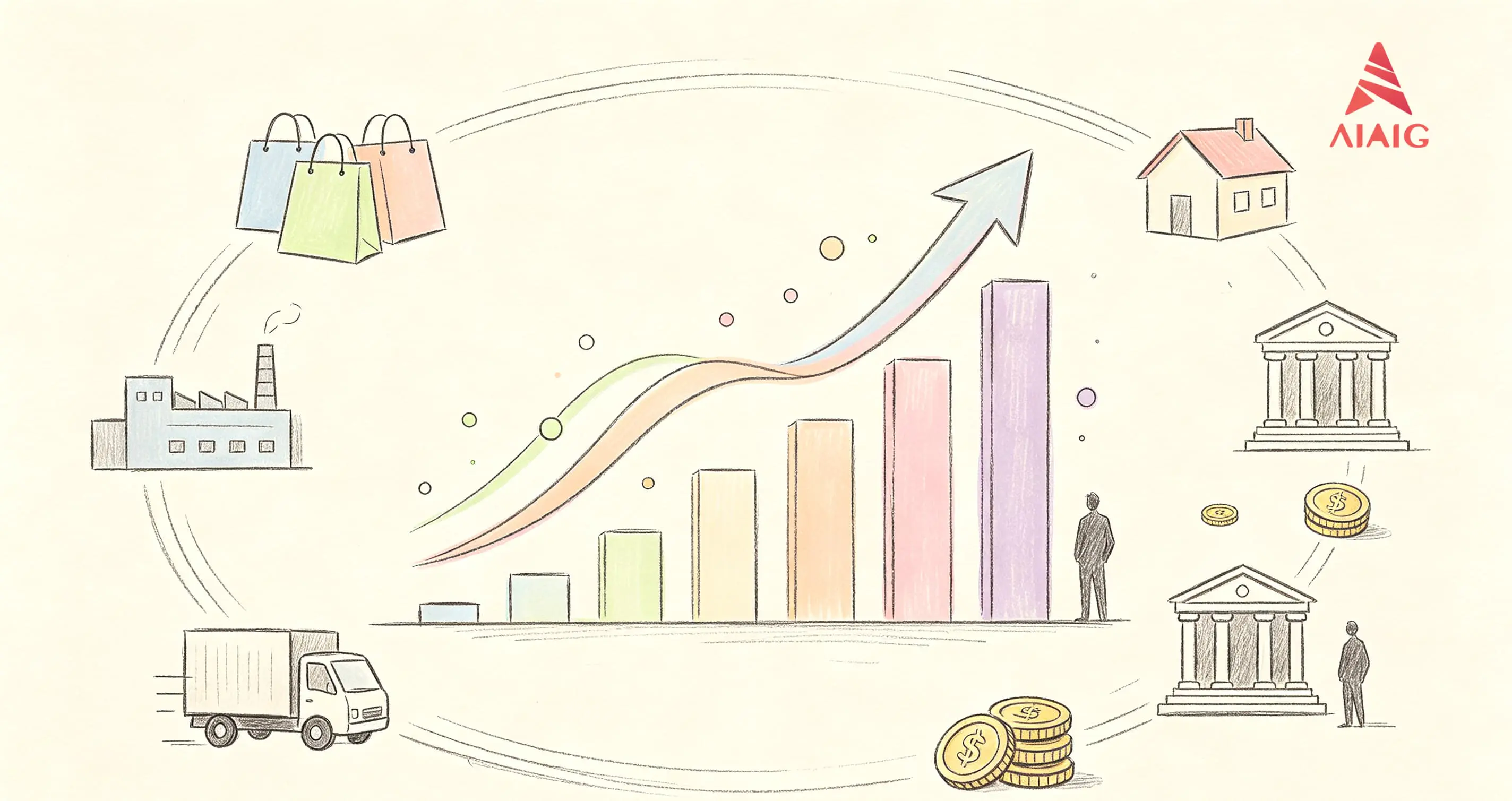
Through 2026 Vietnam shows a rare combination of “high growth accompanied by rising inflation.” The prevailing narrative was Q2 GDP growing 8.39% year-on-year to lead Asia, as foreign capital and manufacturing kept pouring in. But August's latest monthly data draws a second, more nuanced curve.
- Industrial output: up a sharp 14.40% year-on-year in August, confirming the manufacturing engine still runs hot;
- Foreign investment: inflows remain in expansion mode, and the investment climate stays attractive for cross-border manufacturing relocation;
- Services and consumption: August visitor arrivals reached ~1.99 million, rebounding strongly from ~1.666 million in July as cross-border flows accelerate;
- Rising inflation: August CPI rose to 4.89% year-on-year from 4.45% in July, continuing to edge toward the roughly 5% policy comfort ceiling and becoming the biggest H2 macro variable.
When growth momentum and price pressures rise at the same time, it is the window in which policymakers must be most careful: over-tightening to crush inflation could choke the hard-won investment and jobs, while letting prices run past the line erodes household purchasing power. For overseas investors, reading this policy tension matters more than chasing the headline growth rate.
Data deep-dive: the halo of growth and the shadow of prices
On the growth side: why the momentum shows no sign of being fabricated
August industrial output rose 14.40% year-on-year — not a mild recovery but double-digit expansion. Coupled with the strong first half, this looks like real economy-driven growth coming from order inflows, supply-chain relocation and domestic infrastructure, rather than asset-bubble froth. Visitor arrivals jumped from ~1.666 million to ~1.99 million, indicating cross-border services in aviation, tourism and MICE are also recovering, shifting the growth structure toward a “manufacturing-plus-services” twin-engine model.
On the price side: how far is 4.89% from the line
Vietnam's comfort range for inflation is roughly between 2.0% and 5.0%. The August reading of 4.89% is already very close to the ceiling and still in an uptrend. Drivers include imported energy and commodity prices as well as rising domestic food and demand-side heat. If September continues up and breaches the 5% mark, it would directly compress the room to stay accommodative, and could force politically sensitive administered-price adjustments (power, fuel, utilities).
The central bank's toolkit and its dilemma
Vietnam's central bank juggles both growth and price stability. Heavy FDI inflows improve the foreign-exchange supply and buffer the currency. But if inflation escapes, forced hikes would raise corporate financing costs and slow manufacturing expansion. The subtlety of H2 2026 is that the economy needs “rebalancing”, and any aggressive move in one direction risks missing the other target.
What it means for overseas Chinese investors
First, timing matters more than direction
A high growth rate and strong FDI do not mean any entry point is right. The policy uncertainty from inflation approaching 5% suggests phased entry rather than one heavy purchase, with particular attention to possible VND volatility windows. If the central bank is forced to tighten, a weaker currency would amplify the nominal-return swings of foreign-currency-denominated assets.
Second, look at sectors that benefit from rebalancing
Manufacturing strength directly supports industrial property (industrial parks, standard factories), logistics and related infrastructure; strong tourist numbers favour services and tourism-linked assets. In a rising-inflation environment, physical assets whose rents and cash flow can be repriced upward with prices tend to be more defensive than pure appreciation plays.
Third, treat the “5% line” as the most important H2 indicator
Every macro inflection starts at a data red line. Track whether monthly CPI crosses 5% and whether the central bank signals tightening as the core trigger for adjusting strategy: enjoy growth dividends before the line is breached, and decisively de-lever and add cash-flow assets on any crossing or policy turn.
AIAIG view
Vietnam is an unmissable 2026 high-growth story, but the moment “high growth” coincides with “inflation approaching the line” is usually not the moment to buy blindly but to manage carefully and dynamically. For overseas Chinese investors, pacing entry, calibrating direction and watching the inflation anchor is far more practically valuable than chasing yet another record growth number.
Sources
Last updated Sep 4, 2026