Global Insights
International Insights, Global Perspective
AIAIG Opinion
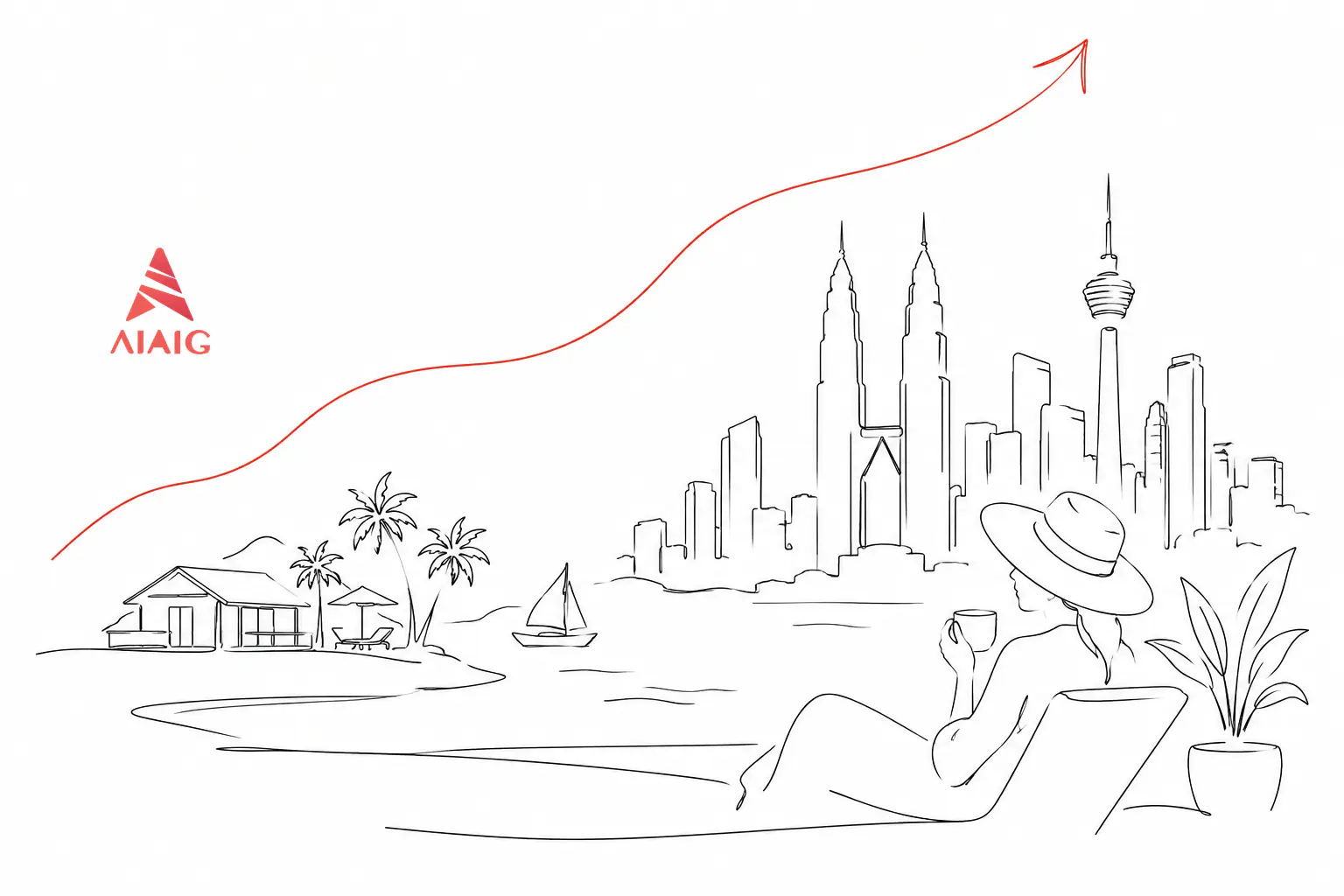
Malaysia 2026: The Rise of a Lifestyle-Led Investment Hub — Why Global 'Hybrid Investors' Are Turning to Southeast Asia's Undervalued Gem
As traditional property hubs face tightening regulations and rising costs, Malaysia is emerging as a premier lifestyle-driven investment destination. With freehold titles, English Common Law protections, competitive pricing, and robust MM2H/PVIP residency programs, Malaysia attracts a new breed of 'hybrid investors' seeking both financial returns and quality of life. This article explores the structural shift behind Malaysia's property market renaissance.
Newest Policy
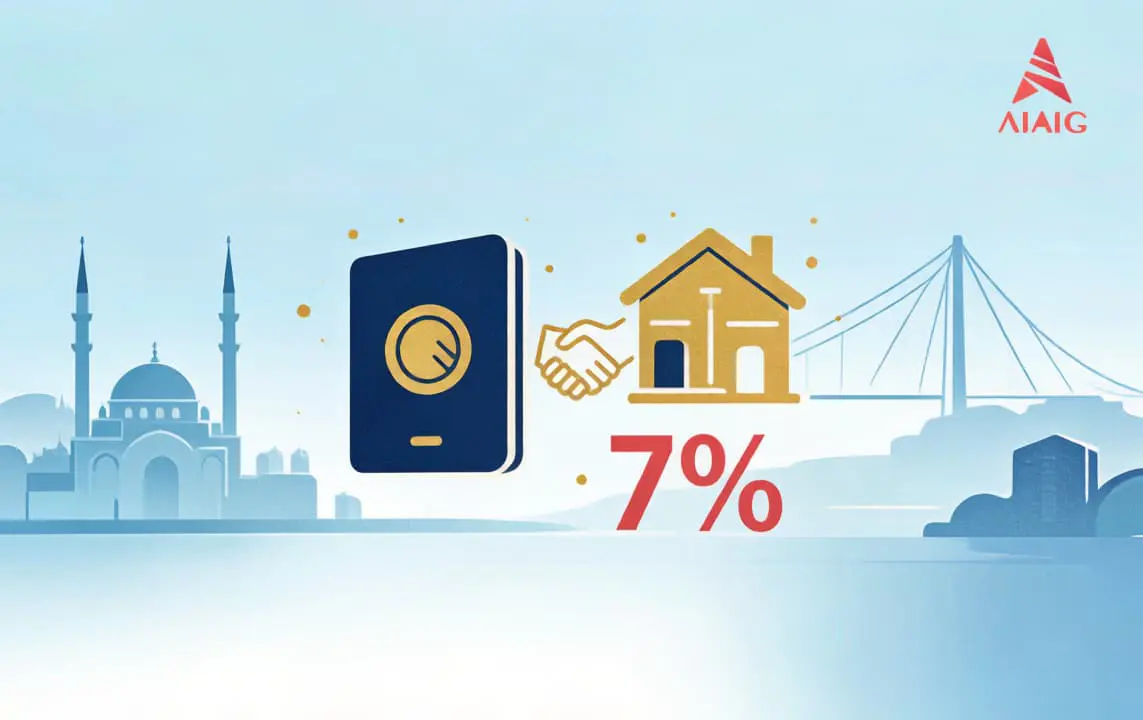
Turkey Citizenship-by-Investment 2026: Buy a G20 Passport with Positively Yielding Real-Estate
Turkey's citizenship-by-investment program grants full citizenship through a $400,000 real estate purchase. With Istanbul gross rental yields above 7% and strong capital appreciation, savvy investors can effectively acquire a G20 passport at near-zero net cost.
AIAIG Opinion
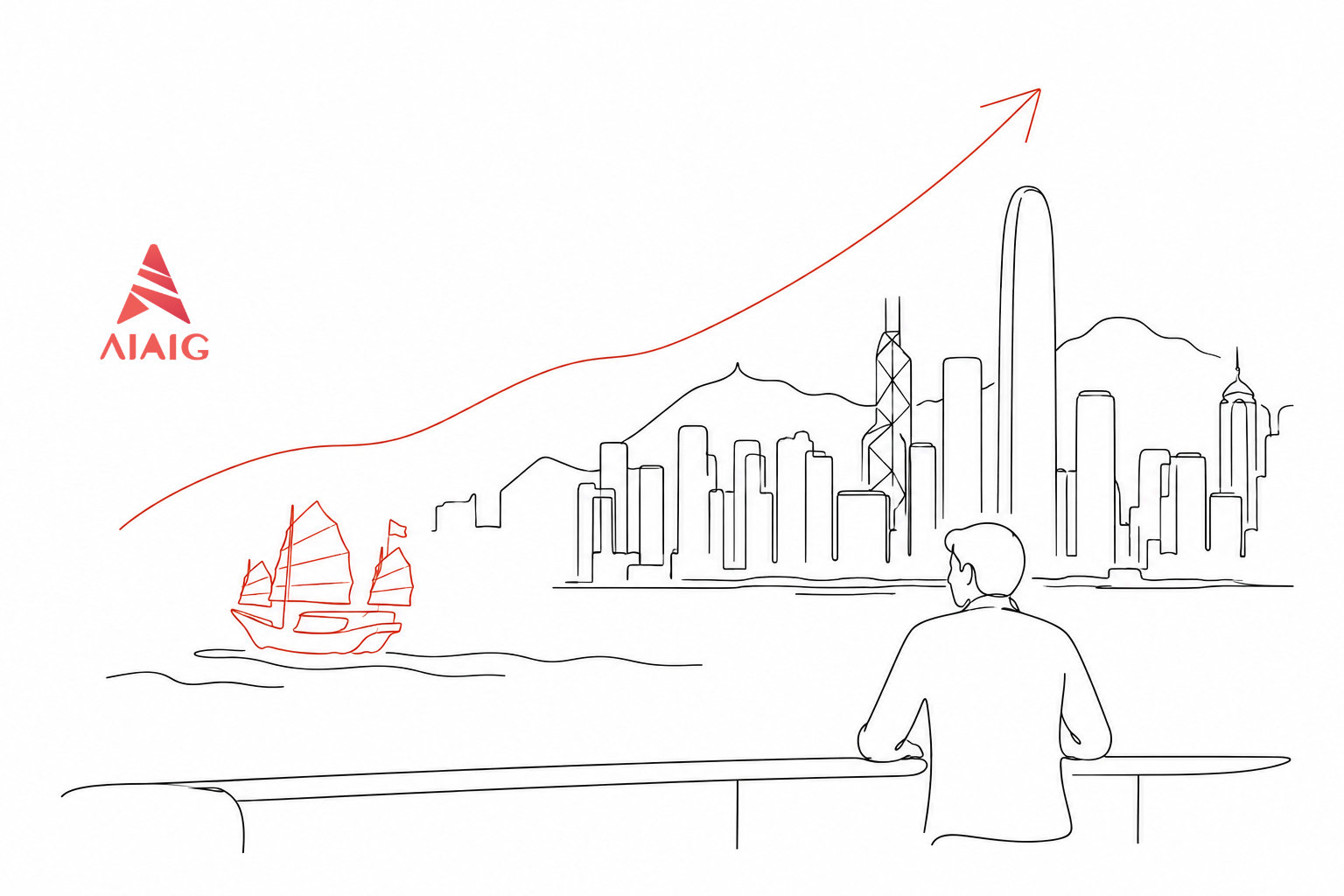
Hong Kong 2026 Property Recovery Endorsed by Moody's and Morgan Stanley: Multiple Structural Drivers Support the Uptrend — How Should Overseas Chinese Investors Position?
Moody's latest report indicates Hong Kong's property upswing is poised to hold amid lower mortgage rates, surging rents, and talent inflows. Morgan Stanley simultaneously upgraded its 2026 Hong Kong home price growth forecast from 10% to 12%, noting recovery is extending to office and retail sectors. This article analyzes the institutional bull case and provides actionable guidance for overseas Chinese investors.

Newest Policy
Caribbean Citizenship-by-Investment Demand Surges in 2026: US Applicants Jump from 5% to 33%, Antigua Hits 50% —What Overseas Chinese Investors Need to Know
Henley & Partners data shows US nationals made up nearly one-third of global CBI applications in early 2026, up from just 5% in 2018. Antigua & Barbuda saw US applicants surge to 50% from 26% in 2025. As EU golden visas tighten, Caribbean CBI programs emerge as the biggest winner — a key signal for overseas Chinese investors.

Education Migration
Australia Freezes New Overseas Student Provider Registrations: 12-Month Suspension on VET and ELICOS — How to Choose Compliant Institutions
From May 19, 2026, the Australian government has frozen new CRICOS registration applications for private VET colleges and ELICOS providers for 12 months until May 19, 2027. Public TAFEs and universities are exempt. This is the latest integrity measure by the Albanese government, significantly impacting international students planning to study in Australia.

AIAIG Opinion
Why Is the Core Area of Landmarks Always the Investment Focus?
Education Migration
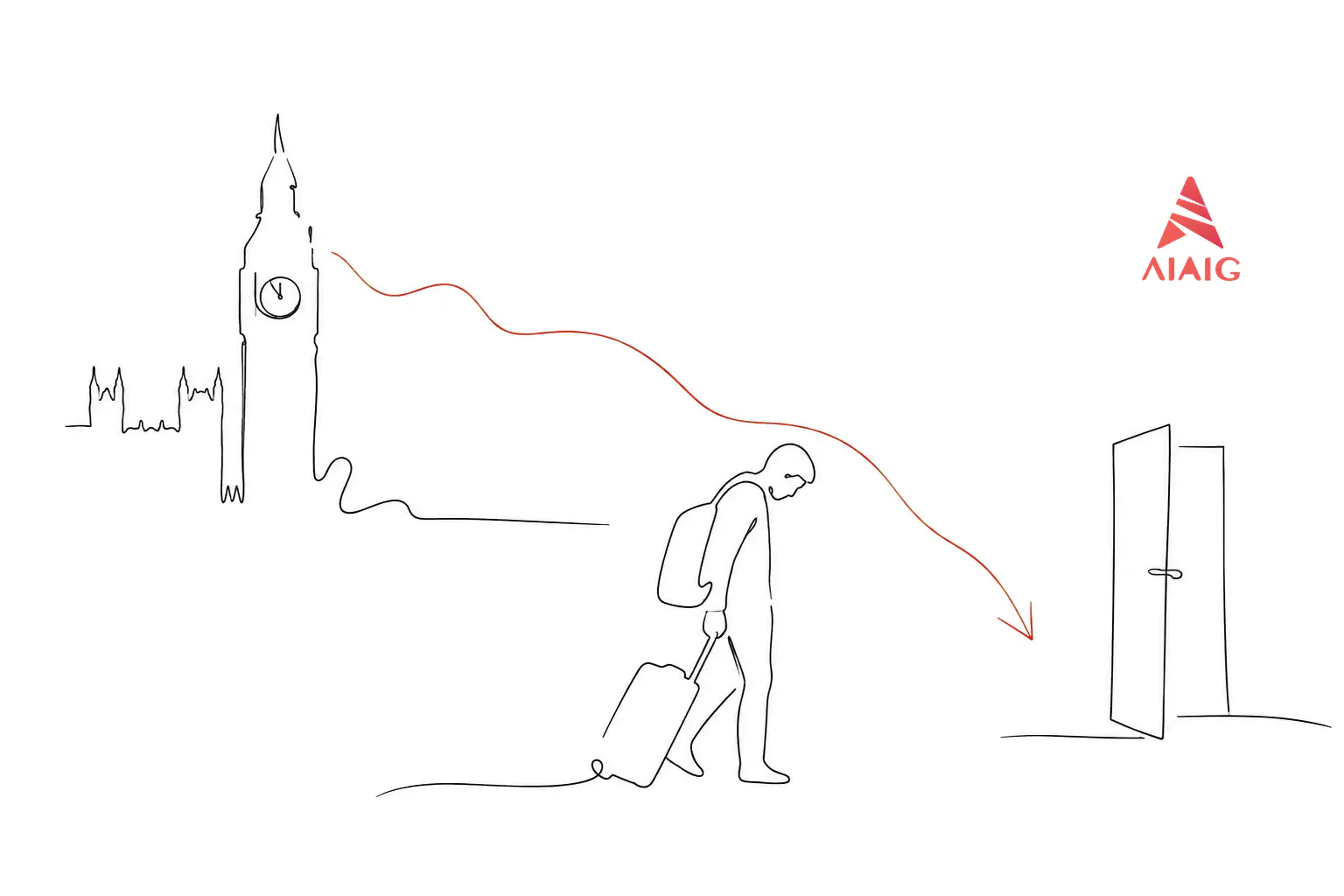
UK Study Visa Applications Plunge 40% in April 2026: Lowest in Five Years — How Chinese Students Can Navigate the Global Visa Tightening Wave
UK Home Office data shows April 2026 study visa applications dropped 40% year-on-year to just 8,900 — the lowest April figure in five years. January-April total down 33% amid rising refusal rates. This article analyzes the data and provides strategies for overseas Chinese students.

Newest Policy
Dubai 2026 Scraps AED 750K Minimum Property Value for Investor Visa: No Minimum for Sole Owners, AED 400K Per Joint Owner — A New Residency Opportunity for Overseas Chinese Investors
Dubai Land Department has updated rules for the two-year real estate investor residence visa, removing the minimum property value threshold for sole owners while introducing AED 400,000 minimum per investor for joint ownership. This major policy change significantly lowers the entry barrier for overseas Chinese investors seeking Dubai residency through property investment.

Newest Policy
Japan FY2026 Tax Reform: Major Easing for Foreign Investors in Japanese Investment Funds — PE Exemption Threshold Raised from 25% to 50%, Multiple Restrictions Removed
Japan's FY2026 Tax Reform Outline (released December 26, 2025) introduces the most significant overhaul of the permanent establishment (PE) special exemption for foreign limited partners (LPs) investing through Japanese investment limited partnerships (LPSs) since its creation in 2009: the ownership threshold rises from 25% to 50%, LP governance activities no longer trigger PE risk, and the restriction against having other PE-attributable income in Japan is abolished. These changes create substantially more room for overseas Chinese investors to access Japanese real estate and venture capital through fund structures.

Newest Policy
New Zealand Golden Visa Demand Surges 5x: Applications Skyrocket from 115 to 609, $2.1B in Potential Investment
NZ Immigration data shows Active Investor Plus visa applications surged 5x from 115 to 609 in one year, representing NZ$3.57 billion ($2.1B) in potential investment.
AIAIG Opinion
Singapore's Safe-Haven Status Draws Chinese Capital Into Property Sector: Mainland Firms' Fixed-Asset Investment Share Surges from 2.5% to 21%
Mainland Chinese firms accounted for 21% of Singapore's S$14.16 billion fixed-asset investment in 2025, up from 2.5% a year earlier. Major land deals include S$951 million Dover Drive site, S$429 million Lentor Gardens, and S$918 million Telok Blangah plot. This deep dive analyzes the implications for overseas Chinese property investors.

Newest Policy
Australia 2026-27 Federal Budget: Migration Reform Deep Dive — Points Test Overhaul, 185K PR Cap, Onshore Priority — Strategic Analysis for Chinese Migrants
Australia's 2026-27 federal budget, announced May 13, confirms the permanent migration program at 185,000 places while overhauling the skilled migration points test. A$85.2M allocated to accelerate skills assessments, bringing 4,000 extra trades workers annually, with onshore applicants prioritized. This article analyzes the new policy's impact on overseas Chinese applicants.