Global Insights
International Insights, Global Perspective

Newest Policy
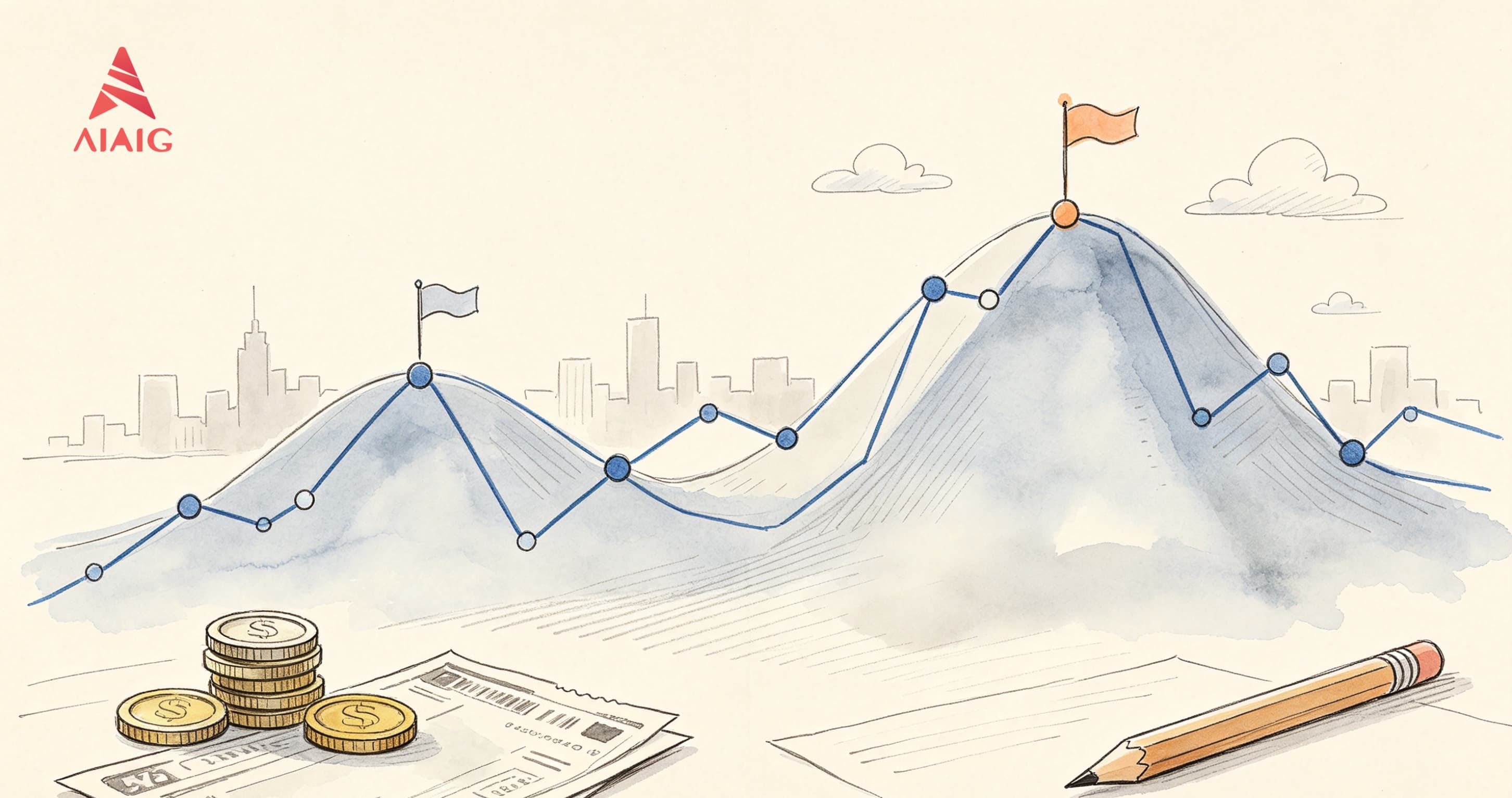
Bahrain 2026 Policy Signals: Q1 GDP Contracts 3.80%, Inflation Rises to 3.00%, FDI Net Inflow BHD 85.8 Million
Bahrain's Q1 2026 GDP contracted 3.80% year-on-year, July inflation rose to a 2026 high of 3.00%, and Q2 FDI net inflows reached BHD 85.8 million. This two-speed pattern in the Gulf's smallest economy is a leading indicator of GCC fiscal pressure.
Newest Policy
South Korea Q3 2026 Policy Signals: Consumer Confidence Reverses to 104.50, Inflation Rebounds to 3.10%, FDI Inflows USD 7.87 Billion
South Korea's consumer confidence index fell to 104.50 in August 2026 from 106.80, ending months of gains, while inflation rebounded to 3.10% from 2.80%. This combination of falling confidence and rising prices signals early stagflation tendencies. We analyse the policy implications for overseas Chinese asset allocation, study costs and cross-border trade.

Newest Policy
Slovakia 2026 Policy Signals: Housing Index at Record 222.70, Inflation Eases to 3.10%, Nominal Wages Down 3.7% MoM
Slovakia's Q1 2026 housing index rose to a record 222.70 (up about 3.6% QoQ), while August inflation eased to 3.10%. Yet average monthly wages fell to EUR 1,809 in July, down about 3.7% from June, GDP grew just 0.80%, and FDI showed a net outflow of EUR 154.6 million in June. This analysis unpacks the three divergences between record house prices and economic fundamentals, and what they mean for euro-area asset allocation.

Newest Policy
Australia 2026: Immigration Reform Debate and Housing Correction - Net Migration Reset, Mortgage Stress at Post-2008 High
Dwelling values across Australia's five major capitals have fallen 5.3% from their April peak, led by Sydney (-7.7%) and Melbourne (-6.9%), with mortgage stress at its highest since the 2008 GFC. The immigration debate is intensifying, with proposals including offshore-only student visa lodgement, tying 485 graduate visas to employment, and raising the skilled visa salary threshold to 1.5x the median wage.

Newest Policy
Georgia 2026 Policy Signals: 9% GDP Growth Leads the Caucasus, Unemployment Down to 13.80%, Inflation at 5.60%, FDI USD 271 Million
Georgia's Q1 GDP grew 9.0% year-on-year, leading the Caucasus, while Q2 unemployment fell from 14.40% to 13.80% and Q1 FDI reached USD 271.2 million, even as inflation rebounded to 5.60%. The combination of high growth, high unemployment and moderately rising inflation defines a classic FDI-driven catch-up economy.

Newest Policy
Japan H2 2026 Policy Signals: CPI Rebounds to 1.90%, Housing Index Hits Record 149.19, Unemployment Falls to 2.40%
Japan's July-August 2026 data points to reflation: CPI rebounded to 1.90%, the housing index hit a record 149.19, unemployment fell to 2.40%, and July inbound visitors surged to 3.4421 million. This analysis examines three key signals for BOJ policy normalization and the implications for overseas Chinese property allocation, education, and residency planning.

Newest Policy
Singapore H2 2026 Policy Signals: CPI Back to 2.20%, GDP Up 5.90%, Q2 FDI SGD 58.62bn
Singapore H2 2026 data: CPI back to 2.20%, GDP up 5.90% annually, Q2 net FDI SGD 58.62bn, unemployment steady at 2.00%, average wages SGD 6,593. A deep read on the FX policy framework and what it means for overseas Chinese household asset allocation.

Newest Policy
Taiwan Q2 2026 Policy Signals: GDP Up 12.93%, Industrial Production Up 25.61%, FDI USD 5.016 Billion
Taiwan's Q2 2026 GDP grew 12.93% year-on-year, July industrial production rose 25.61%, FDI reached USD 5.016 billion, the housing price index rose to 168.77 and consumer confidence recovered to 65.01. This article analyses the allocation implications driven by the AI and semiconductor supply chain.

Newest Policy
Thailand H2 2026 Reflation Signal: CPI Rebounds to 2.53%, Confidence 53.20, July Tourists Surpass 2.54 Million
Thailand's August inflation jumped from 1.95% to 2.53%, ending the disinflation narrative and returning to target. Consumer confidence rose to 53.20, July tourists surpassed 2.54 million (+38% MoM), and the housing index hit a new high of 163.10. This article analyzes the implications for overseas Chinese investors.

Newest Policy
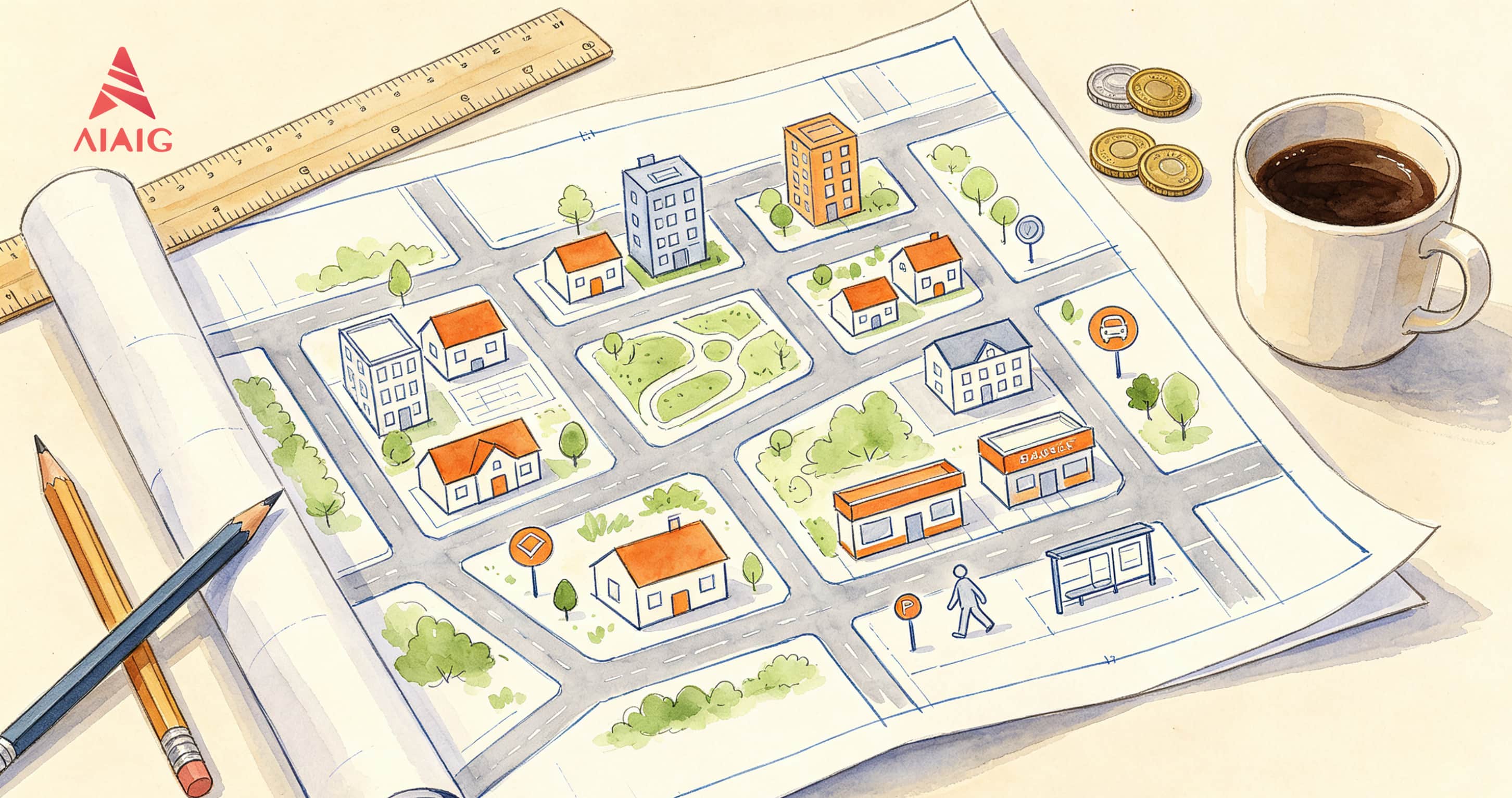
Germany Leaves Low Inflation: CPI Rebounds to 2.90%, Housing Index 222.22 Extends Gains, Confidence Stabilizes at Low Level
Germany's August inflation rose from 2.00% to 2.90%, exiting the low-inflation phase. The housing index at 222.22 keeps repairing while consumer confidence stabilizes at -26.60. Re-accelerating prices narrow the ECB's easing room, repricing core-city mortgages, rental cash flow and transaction costs.
Newest Policy
Portugal 2026: Inflation Resurging - Aug CPI 3.31%, Q1 House Price Index 110.28, Fiscal Surplus 0.7%, Narrowing Room for Rate Easing
Portugal's August CPI rose to 3.31% year-on-year, above July's 3.04%, as inflation re-accelerates; the Q1 house price index rose mildly to 110.28, Q2 GDP grew about 2.5%, and the 2025 fiscal surplus reached 0.7% of GDP. Resurgent inflation is narrowing room for ECB and Portuguese easing, making rates hard to ease and directly shaping mortgage affordability and property-allocation tempo.

Newest Policy
Mexico 2026 Housing and Rate-Cut Window Signals: Inflation at 3.12% On the 3% Midpoint, Housing Index 205.90 in Q2, Unemployment at a Historic 2.90%
Mexico's July inflation eased to 3.12%, at the 3% centre of Banxico's 2%-4% band; the house price index rose to 205.90 in Q2 with unemployment at 2.90%. Inflation on target and a warm housing market put Banxico's easing path into a balancing act.