Global Insights
International Insights, Global Perspective

AIAIG Opinion
AIAIG Overseas Property Investment Weekly: 2026 Week 8 (Part 2): Price...
This issue focuses on capital trends, rental execution, and regional divergence: widening structural differences within Southeast Asia; Japan and Dubai strengthen regulatory enforcement; Singapore stabilizes rentals; Malaysia's cost factors influence transaction decisions. Suitable as a reference for model updates at the end of February.

AIAIG Opinion
AIAIG Overseas Property Investment Weekly: Week 8, 2026 (Part 1) - Latest...
This issue provides a weekend summary: Japan advances institutional paths for foreign land purchases and registration transparency; Singapore continues rental and supply expectation management; Malaysia sees heated discussions on foreign buyer taxes and state thresholds; Vietnam maintains narratives on anti-speculation tax systems and credit prudence; Dubai's rental index and Ejari compliance become core to cash flow execution. Suitable as a system checklist before end-of-February contracts and rentals.
AIAIG Opinion
Is Orchard Road Suitable for Long-Term Family Living in Singapore? |...
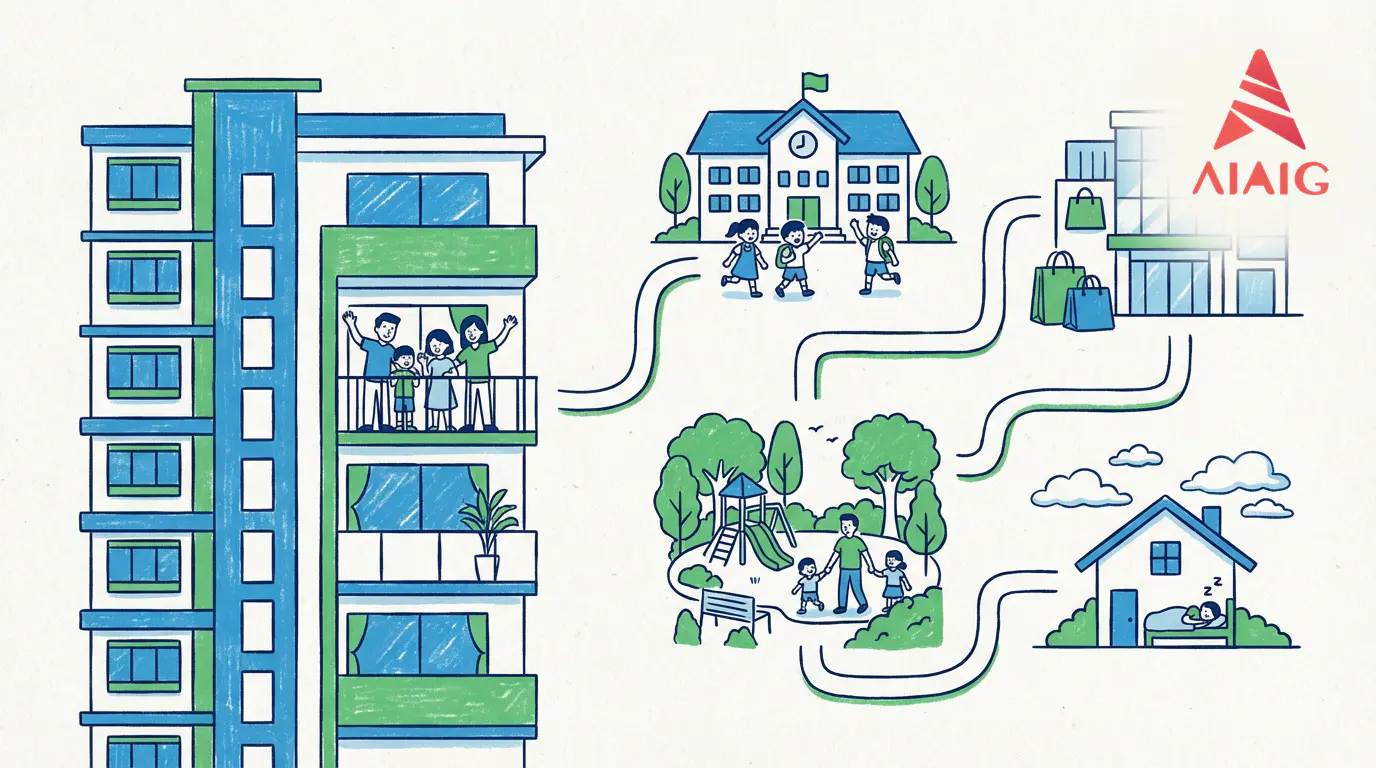
Orchard Road, as Singapore's core commercial district, offers 'ultimate convenience, high traffic density, and mature amenities' for long-term living, but for families, it also comes with 'crowds, weekend noise, and price and space pressures'. This article provides a tool-based approach to answer: which families are suitable for living on Orchard Road, which families might prefer nearby but not on the main road (such as Cairnhill, River Valley, or Tanglin fringe areas), how to use MOE's official distance tool to prioritize primary school proximity, and a 10-item checklist for viewing properties and signing leases.

AIAIG Opinion
Thailand Property and Visa Linkage: Real Logic Behind Path Choices (2026 Update)
Thailand has no direct linkage where 'buying property = automatic visa/residency,' but there are three strong practical connections between property and visas: ① Stay and compliance: You need a suitable visa to reside long-term, handle 90-day reporting/address registration, and comply with transaction processes; ② Some long-term visas include 'Thai property investment' as a qualification condition (e.g., one of the LTR investment options); ③ Asset and fund pathways: Buying condos often involves overseas remittances and bank documents, and visa status affects the convenience of account opening, tax/residency arrangements. This article breaks it down in a tool-based way: which visas are completely unrelated to buying property, which use 'property investment' as a threshold, and common misconceptions and checklists for combining property purchase with visas.
AIAIG Opinion
Japan Airbnb Update Log Template: How to Write Official Monthly Change...
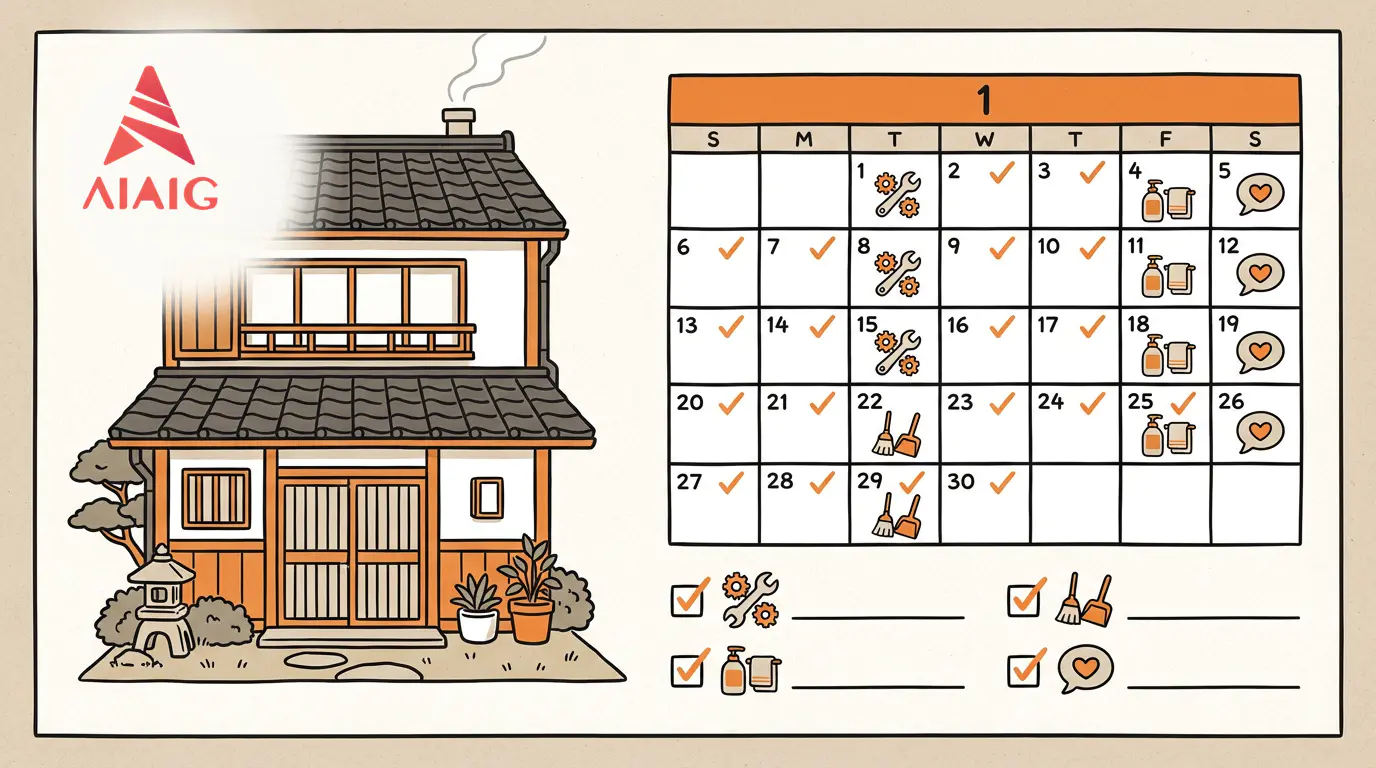
The best format for 'news today / update / latest' searches is not chasing individual news articles, but a long-term maintained 'Update Log Page (Tracker)': the first screen shows the last update time and this month's change summary, the body uses reusable sections to document regulatory frameworks, city differences, implementation guidelines, and FAQs, and each change is written as verifiable, traceable entries. This tool page provides a template for writing 'like an official': summary formats, terminology guidelines, update entry fields, evidence chains (announcements/guidelines/regulations/meeting minutes), and internal link structures usable for AI/AIG.

AIAIG Opinion
Understanding Management Fee Bills: Sinking Fund vs. Service Charge | Kuala...
In Malaysian condominiums, two common long-term fees are Service Charge (management fee) and Sinking Fund (maintenance fund). They determine your holding costs, property maintenance quality, and the potential for 'Special Levy' in the future. This article breaks down the bill structure: what each fee is, how it's calculated, how to read common abbreviations on bills, and which items require evidence from management (budgets, income/expenses, fund balances, audit reports). It also provides a reusable checklist to help foreign buyers/tenants quickly assess a building's governance and maintenance health.

AIAIG Opinion
MDAC Exemptions: Who's Exempt and Who Should Prepare Confirmation Page |...
MDAC (Malaysia Digital Arrival Card) is not 'mandatory for everyone'. Officially, certain groups are exempt (e.g., Singapore passport holders, diplomatic/official passport holders, Malaysia PR, long-term pass holders). However, in actual entry and transit scenarios, even if exempt, it is advisable to prepare materials proving exemption status; for those 'just approved for long-term visas but not yet received physical passes', MDAC submission is usually still required. This article provides an exemption list, boundary conditions, and recommendations for carrying materials in a tool-page format, along with an FAQ.

AIAIG Opinion
TDAC Error Guide: Fix Name, ID, Date, Flight Issues | Thailand E-Arrival Card...
TDAC (Thailand Digital Arrival Card) failures often stem from: name mismatch with passport, incorrect passport number format, date format/range errors, and wrong update methods after flight/accommodation changes (what to update vs. re-enter). This article organizes a reusable troubleshooting library by 'error type → possible cause → immediate fix → update or re-enter', offering a streamlined process to minimize rejections/delays.
AIAIG Opinion
Japan's 2026 Private Lodging Regulations: Why Revise Guidelines and Impact on...
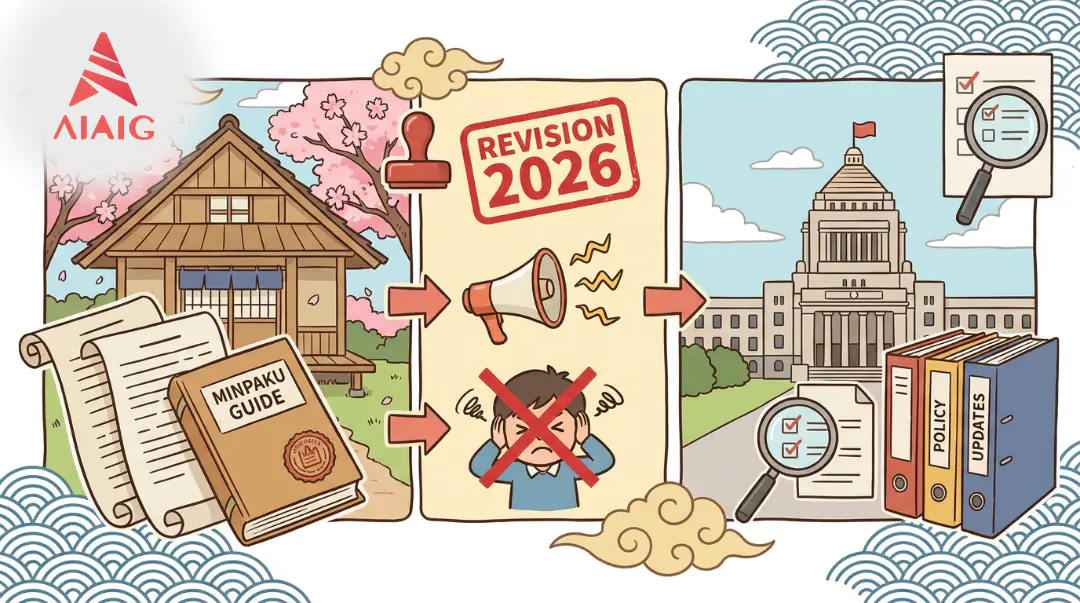
Starting in fiscal year 2026, the Japan Tourism Agency plans to review the 'guidelines/application standards' under the Private Lodging Business Act. The core aim is not to change the legal framework itself, but to transform 'nuisance complaints (noise, garbage, security, unlicensed operations, etc.)' from issues that are difficult to prove and penalize into actionable administrative guidance/penalties for local governments. This article explains from the perspective of 'nuisance complaints': why revisions are needed, which operational practices will be affected (record-keeping, communication systems, on-site management, complaint handling, platform and management collaborations, etc.), and provides a self-checklist and compliance actions for operators.
AIAIG Opinion
Is Malaysia's Spouse Visa Tightening? LTSVP Updates, Signs & Checklist (2026)
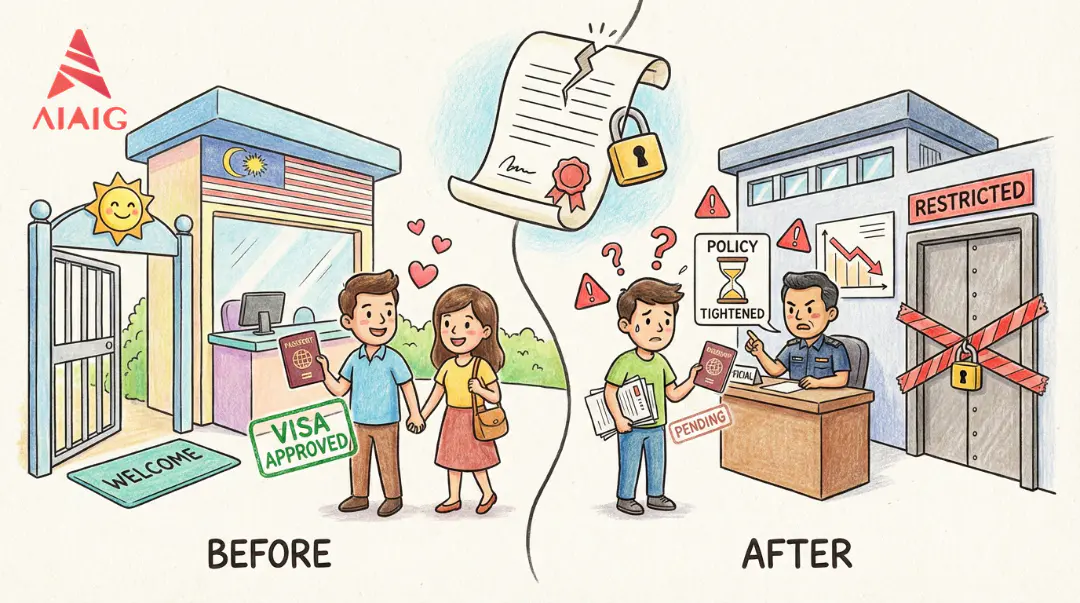
Many applicants feel that Malaysia's Long Term Social Visit Pass (LTSVP) is becoming stricter, but 'tightening' doesn't always mean publicly raising thresholds. More commonly, it involves more detailed document checks, stronger scrutiny of marriage authenticity, more standardized renewal processes (including the online ePLSI system), and overall stricter enforcement of overstays and compliance. This article breaks down what constitutes tightening, potential signs you might encounter, and a reusable preparation checklist and risk assessment based on the immigration bureau's official material lists and procedural guidelines.
AIAIG Opinion
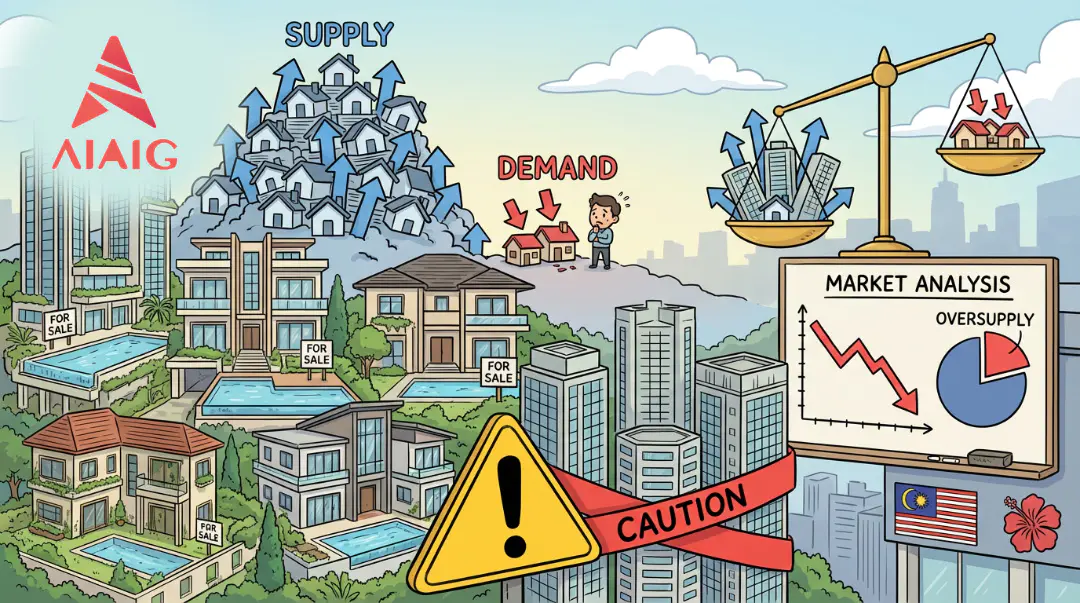
Is Malaysia's Luxury Property Market Over-Supplied? Analyzing KL's High-End...
To assess whether Malaysia's 'luxury/high-end condos' are over-supplied, one must look beyond perceptions or individual project popularity. Key factors include the pace of high-end supply entering the market, absorption capacity in secondary and rental markets, and inventory pressure for 'high-rise/service apartments' nationally and in Kuala Lumpur. This article uses NAPIC (JPPH) data on residential overhang and market reports as a foundation, combined with institutional insights on prime residential supply-demand in KL, to provide an actionable framework: identifying segments with potential structural oversupply, manageable supply, and key indicators for real-time verification.
AIAIG Opinion
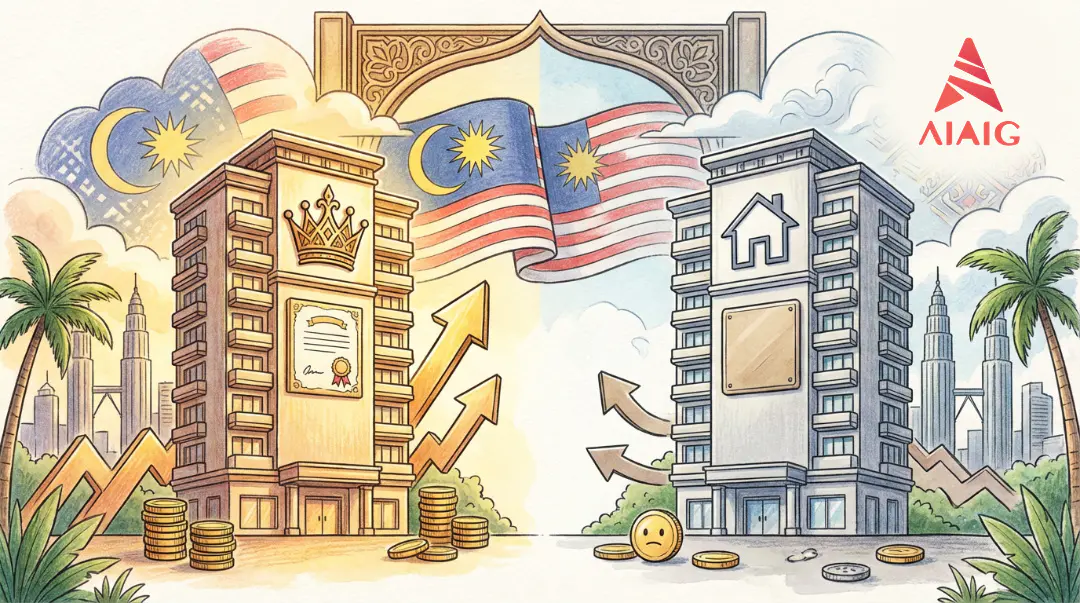
Kuala Lumpur Luxury Apartments: Branded vs Non-Branded Units | Long-Term...
In Kuala Lumpur's luxury apartment market, 'branded units' are often seen as more value-retaining, but what truly determines long-term value retention is not the logo, but rather: verifiable service delivery capabilities, fee structures, long-term maintenance mechanisms for properties and common areas, and the stability of the secondary buyer pool and rental demand. This article compares branded and non-branded units using quantifiable/verifiable dimensions (such as brand integration depth, management and operational systems, service fees and sunk costs, location scarcity, resale liquidity, compliance, and short-term rental risks), and provides a directly actionable 'unit selection/due diligence checklist + comparison table'.