Global Insights
International Insights, Global Perspective

AIAIG Opinion
Australia New Zealand Property Investment Policy Divergence 2026: Foreign Buyer Ban vs High-Value Investor Liberalization
Australia implements a two-year ban on foreign buyers purchasing established properties to ease housing pressure, while New Zealand simultaneously liberalizes high-value property purchases for investor visa holders above NZD $5M. The diverging policies of these two Southern Hemisphere asset havens send clear signals to overseas investors.

AIAIG Opinion
Singapore Private Property Outlook 2026: Tight Supply Meets High Taxation
Limited supply, 2.2% GDP growth forecast, easing interest rates. Despite 60% ABSD impacting foreign buyers, Singapore's safe-haven status continues attracting capital inflows

AIAIG Opinion
Singapore's 60% ABSD vs Dubai Golden Visa: Asia's Two Safe Havens Diverge
Singapore maintains 60% tax on foreign property buyers while Dubai keeps AED 2M Golden Visa threshold - Asia's two safe havens show contrasting policy directions in 2026

Education Migration
6 Key Questions International School Parents Ask, Answered

AIAIG Opinion
Japan Permanent Residency Revocation: Retroactive Investigations Create Compliance Storm for Chinese Investors
Japan's 2027 policy allows revocation of permanent residency for tax/social insurance delinquency with retroactive fraud investigations, creating three major compliance challenges for Chinese investors.

AIAIG Opinion
Hong Kong Office Market 2026: Core Area Recovery vs. High Vacancy, Real...
In 2026, the Hong Kong office market is not about a 'full recovery' but a clear divergence: prime offices in core areas like Central are starting to recover, but overall vacancy rates remain high, supply is still heavy, and institutional funds are reassessing returns and liquidity of Hong Kong office assets. This article analyzes whether the market is 'rebounding' or entering a new phase of 'core asset recovery first, weak assets continuing to clear out,' based on recent trends such as improved absorption in core areas, high overall vacancy, and Singapore REITs selling Hong Kong office buildings.

AIAIG Opinion
After Indonesia's Golden Visa: Will Jakarta/Bali Real Estate Benefit?...
After the launch of Indonesia's Golden Visa, the market widely interprets it as a boon for real estate, but the reality is far more complex. The Golden Visa is essentially a long-term residency policy aimed at attracting capital and high-net-worth individuals, not a 'buy property for residency' scheme. This article analyzes whether Jakarta and Bali real estate truly benefit, based on visa rules, foreign ownership restrictions, and urban demand structures, and breaks down the core differences between investment residency and real estate investment.

AIAIG Opinion
Why Japan's Housing and Land Prices Continue to Diverge: Three Rising Logics...
In 2026, Japan's real estate market shows significant divergence: core cities like Tokyo and Osaka are steadily rising, while some local and resort areas present structural opportunities. This is driven not by a single factor, but by three key logics: tourism recovery, population mobility, and global capital allocation. This article systematically breaks down the three core rising paths of Japan's housing and land price divergence and analyzes which regions hold sustained investment value.
Education Migration
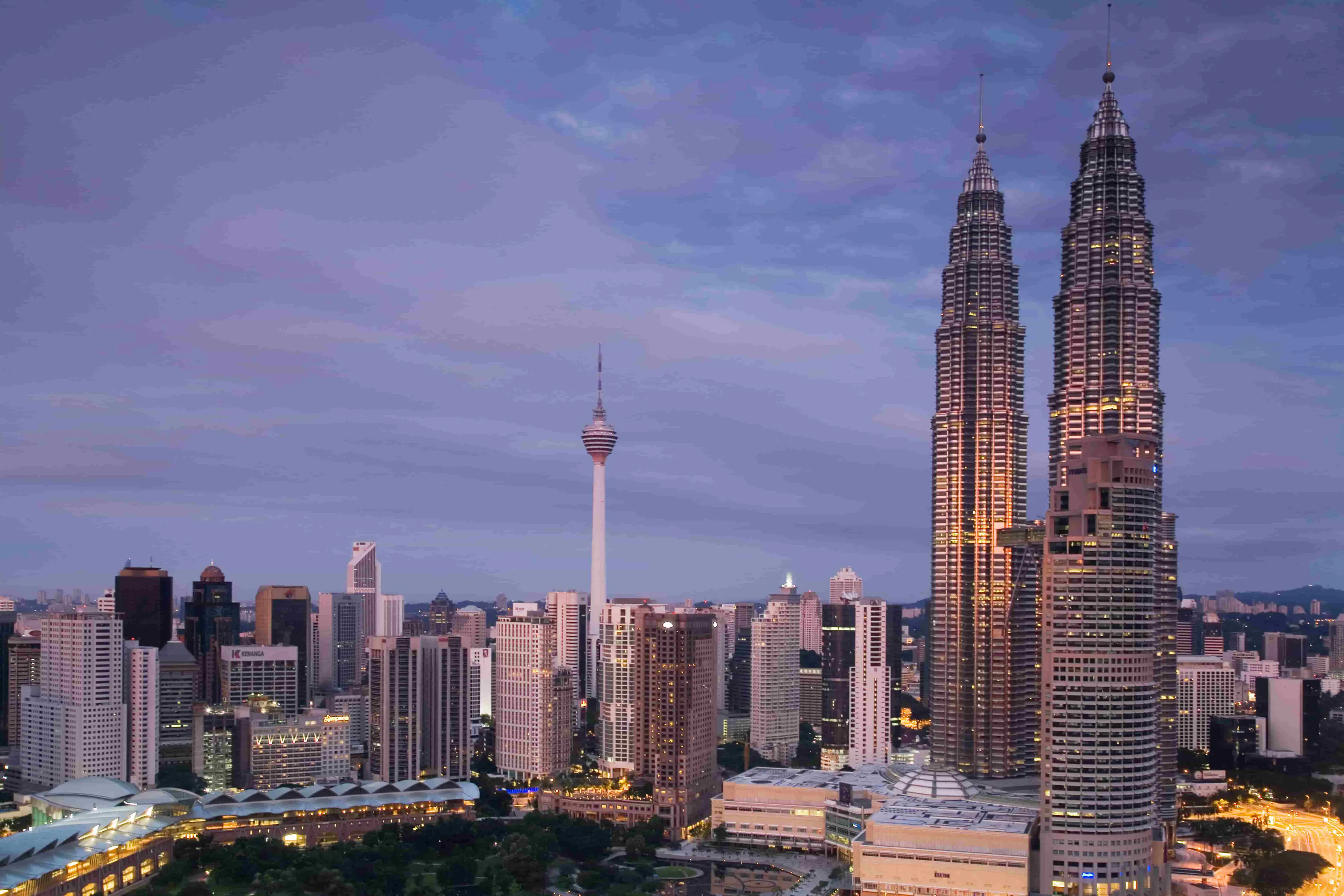
2026 Asset Allocation Guide: Why Kuala Lumpur is the Top Choice for Property...
Education Migration
Japan Student Visa 2026: Graduate Work Rights Significantly Expanded, Application Deadlines Moved Forward
Japan expands post-graduate work rights for international students in 2026, allowing technical school graduates to work cross-field, job-seeking visa extended to 1 year. March 2026 graduates must submit visa change applications by Jan 31, 2026. New Specified Residence Card launches June 14, 2026.
AIAIG Opinion
Singapore ABSD Policy Tuning Signals: How Should Overseas Investors Interpret the Policy Bottom?
Singapore's 2026 Budget left the 60% ABSD rate unchanged, but industry voices call for reduced foreign buyer taxes on luxury properties above S$10M. With the US Fed hiking cycle ending, does this signal a policy bottom? How should overseas Chinese investors time their entry?

Newest Policy
Dubai UAE Golden Visa Major Update: AED 1M Down Payment Requirement Removed, Real Estate Investment Barriers Significantly Lowered
Effective January 24, 2024, the UAE has eliminated the minimum down payment requirement for Golden Visa real estate investment applications. Investors can now qualify for a 10-year Golden Visa by owning properties valued at AED 2 million, regardless of down payment amount or property type (off-plan, mortgaged properties eligible). This policy change significantly lowers barriers for international investors, particularly beneficial for overseas Chinese high-net-worth individuals.