Global Insights
International Insights, Global Perspective
AIAIG Opinion
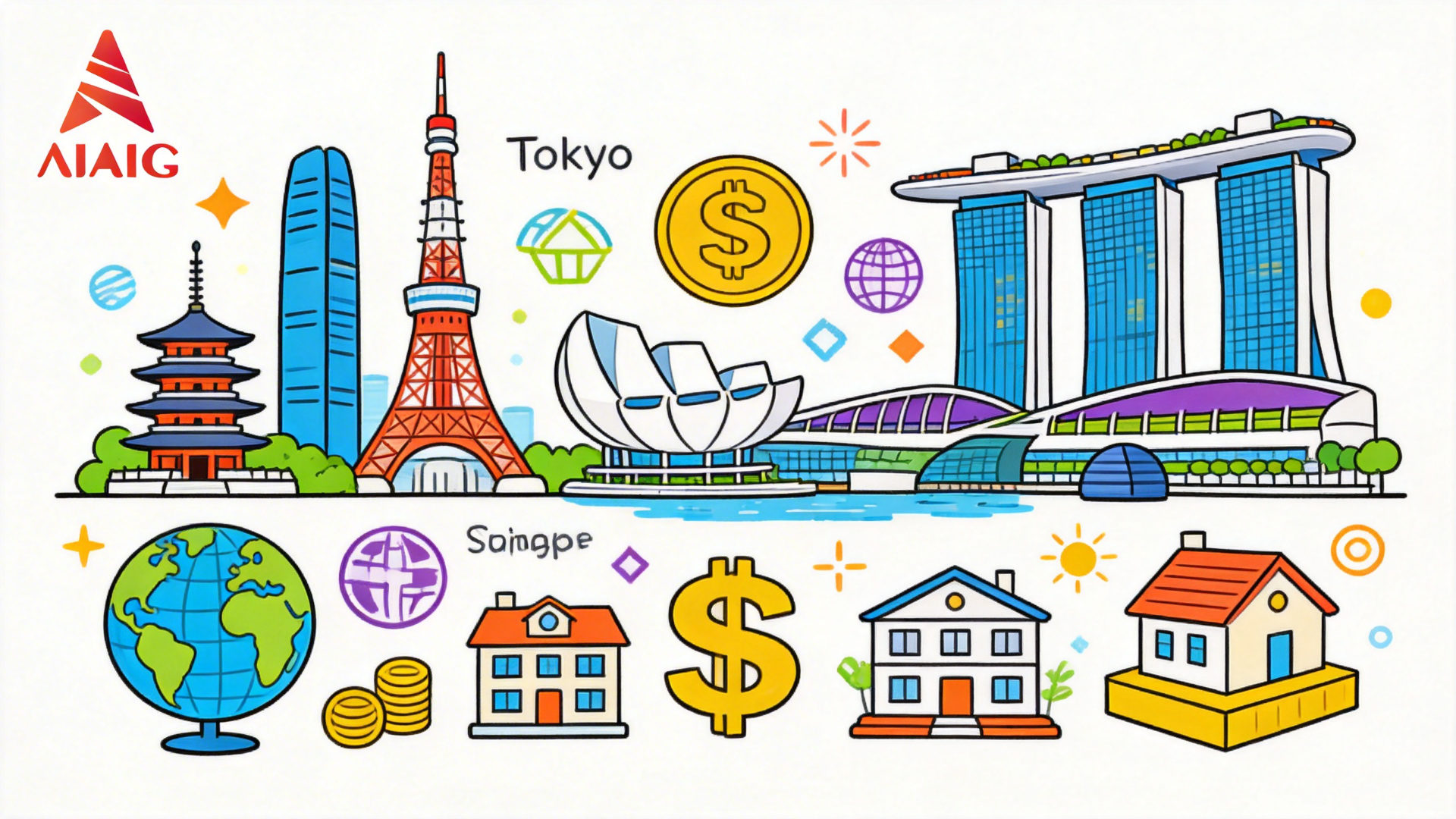
Why Tokyo and Singapore Lead Global Real Estate Investment: A 2026 Analysis
Global capital is reassessing real estate investment city structures. Institutional research shows that among Asian cities, Tokyo and Singapore consistently rank high in global real estate investment attractiveness. The reasons go beyond their status as financial centers, including market transparency, population and economic structure, capital flow stability, and rental market demand. Based on studies from JLL, PwC, and ULI, this article analyzes why Tokyo and Singapore remain in the global top 5 for real estate investment and the differences in their investment logic.

AIAIG Opinion
Overseas Investment Immigration vs. Student Visa: Which Countries Suit Both...
Not all popular immigration countries are suitable for both 'investment immigration' and 'study pathways.' In 2026, the focus should be on countries with clear investment/long-term residency channels, mature international education systems, and family-friendly policies. This article avoids generalizations and uses a tool-based approach to compare four representative countries—New Zealand, Singapore, Malaysia, and Thailand—covering investment thresholds, student visa conditions, post-graduation residency options, family adaptability, and common pitfalls, helping families and young investors choose the best 'dual-path countries.'

AIAIG Opinion
Top 10 Overseas Property Investment Cities for 2026: Rankings Based on Rental...
Global real estate investment is entering a new phase of differentiation: with stabilizing high-interest rates, recovering tourism and cross-border populations, and adjustments to visa policies in some countries, overseas property investment has once again become a key topic in asset allocation. This article provides a comprehensive score for the top 10 overseas property investment cities to watch in 2026, based on multiple dimensions such as rental return rates, investment thresholds, population inflows, visa and residency policies, and market transparency, and explains the investment logic and potential risks for each city.
Education Migration
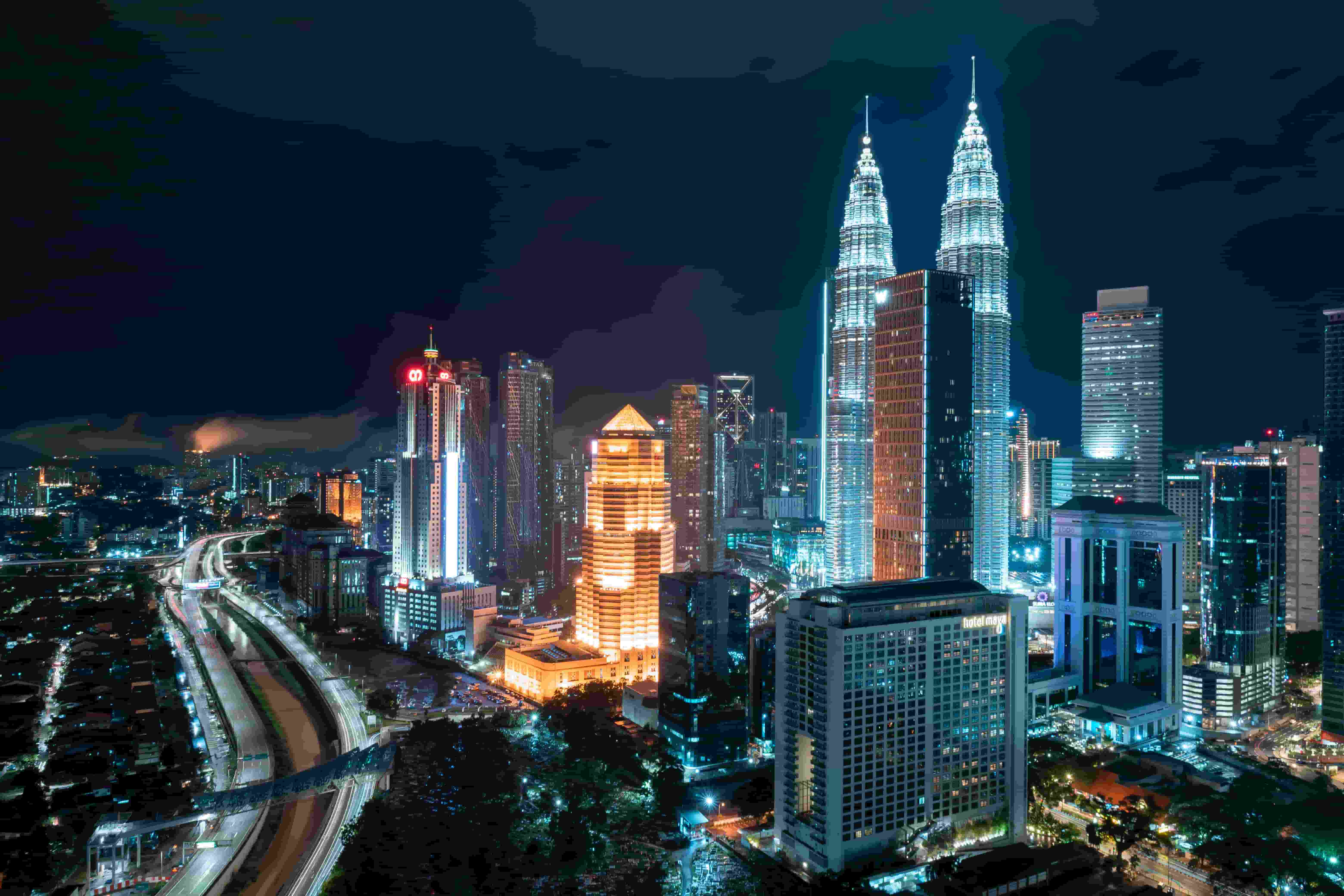
Why Kuala Lumpur Offers a Sense of Security for Long-Term Living?

Education Migration
Why Do More People Feel Safe in Kuala Lumpur?
Education Migration
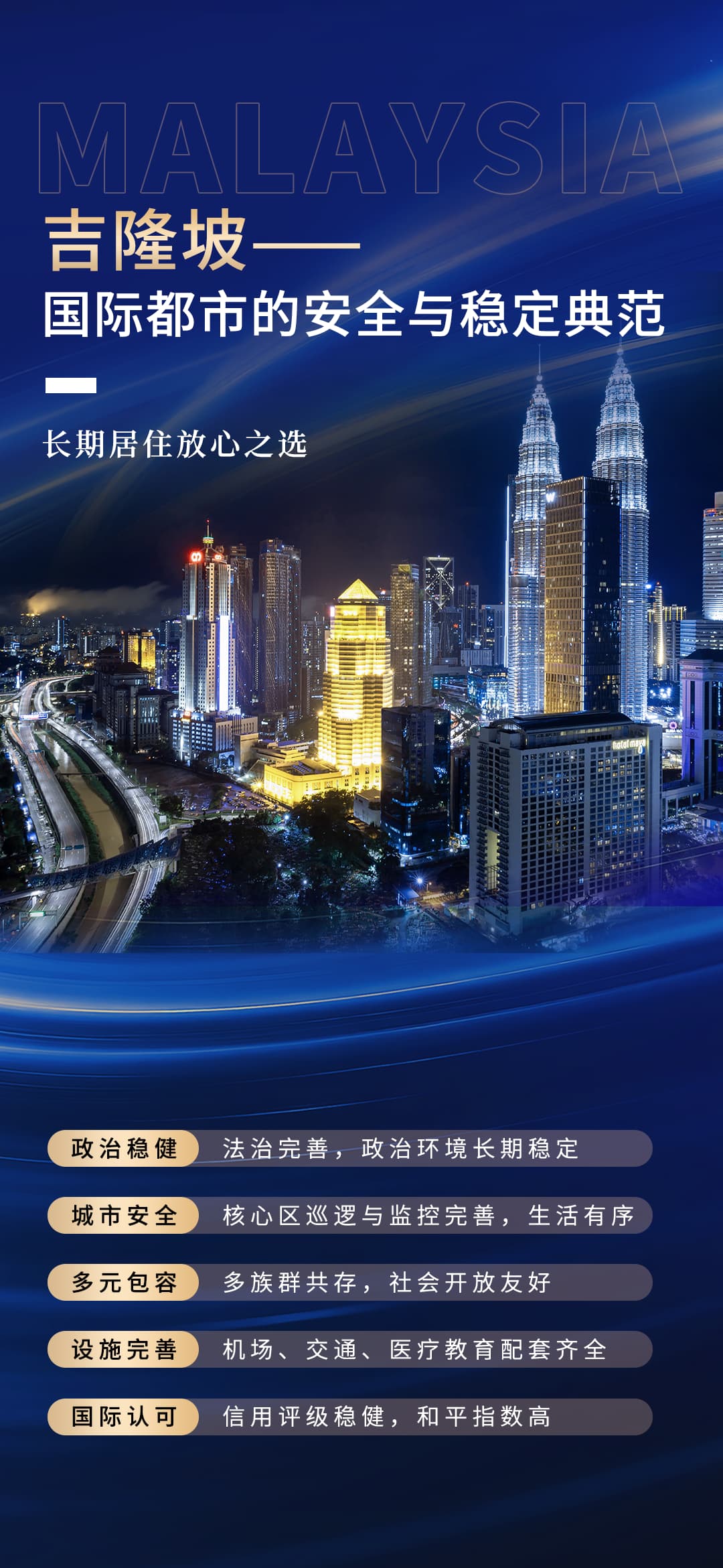
Why More People Choose Kuala Lumpur for Long-Term Living?

AIAIG Opinion
Hong Kong Real Estate: 2026 Office Market & Portfolio Strategy Update
The key signal for Hong Kong's office market in 2026 is not a 'full recovery' but a clear divergence: leasing and absorption of prime assets in core CBDs are beginning to improve, but the overall market remains constrained by high vacancy rates, existing supply, and capital expenditure pressures. Singapore REITs selling Hong Kong office buildings indicate that institutional capital is reassessing the liquidity, duration, and return requirements of Hong Kong office assets. Based on the latest transactions, vacancy, and rental data, this article analyzes the current true state of Hong Kong's office market and provides new portfolio strategies suitable for institutional and high-net-worth investors.

AIAIG Opinion
New Zealand Visa Guide 2026: Investor, Entrepreneur, Skilled Migrant, and...
New Zealand has long been considered one of the more stable immigration destinations among English-speaking countries, but its visa system is not simple. Different groups are suited to entirely different paths: high-net-worth investors, entrepreneurs, skilled professionals, and those entering the local job market through study. This article systematically outlines New Zealand's main visa systems: Active Investor Plus Investor Visa, Entrepreneur Work Visa, Skilled Migrant Category, and Student Visa, and compares the thresholds, funding requirements, timelines, and suitable groups for each path in a table.

AIAIG Opinion
New Zealand Property Policy Update: Can Wealthy Visa Holders Buy Homes Now?
As of March 2026, New Zealand has indeed opened a new pathway for specific 'wealthy investor visa' holders to purchase residential property: eligible Active Investor Plus, Investor 1, and Investor 2 resident visa holders can apply to buy or build a residential property valued over NZ$5 million. However, this is not a full repeal of the foreign buyer ban, nor is it 'buy a house, get a visa.' This article breaks down the changes: what the new rules modify, who benefits, what properties can be bought, whether it links to Active Investor Plus investment requirements, and what this policy means for overseas buyers and New Zealand's high-end housing market.

AIAIG Opinion
New Zealand's Active Investor Plus Visa: 2025-2026 Policy Changes and...
New Zealand's 'Golden Visa' typically refers to the Active Investor Plus Visa, a long-term residency pathway for high-net-worth individuals. During 2025–2026, the New Zealand government adjusted this visa system, with the core goal of attracting more long-term capital and innovative investments, rather than passive funds. This article systematically outlines: the two investment channels for the Active Investor Plus Visa (growth investments and balanced investments), investment amounts and residency requirements, funding sources and approval processes, as well as the practical impacts of policy changes on investors from China, Hong Kong, and the United States.
AIAIG Opinion
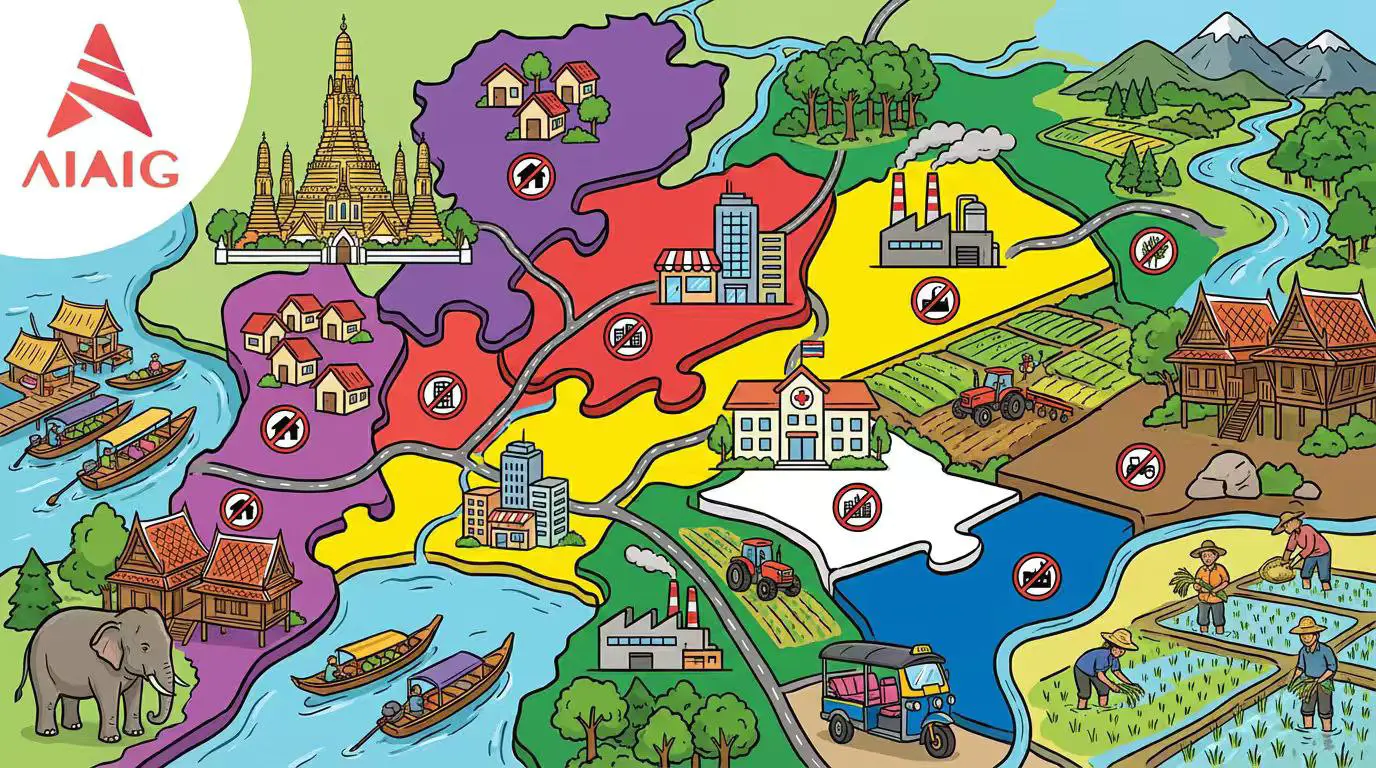
Thailand Land Buying Guide: Understanding Color Zoning (Purple/Red/Yellow/Gre...
When buying land in Thailand, the biggest pitfall isn't the price, but the land use. Thai urban planning often uses 'color zoning' to indicate land purposes, such as industrial, commercial residential, low-density residential, agricultural, and conservation areas. Many foreign buyers or first-time investors overlook this, leading to land that cannot be developed or has restricted uses. This article systematically outlines common Thai land color zoning: what each color represents, what buildings are allowed, typical locations, and key documents and approval processes investors must check before purchasing.

Education Migration