Global Insights
International Insights, Global Perspective

AIAIG Opinion
2024 Global Real Estate Bubble Survey in Key Overseas Investment Regions
This report focuses on major overseas real estate investment regions such as Southeast Asia (Thailand, Malaysia, Vietnam, Singapore), Japan, the UK, Dubai, and Hong Kong. It analyzes key metrics including price-to-income ratios, rent-to-price ratios, deviations from historical averages, and annual price changes over the past year. By integrating international bubble indices and institutional perspectives, it systematically assesses real estate bubble risks in these areas, providing cross-market risk comparisons and decision-making references for overseas investors.

AIAIG Opinion
Portugal's NHR Tax Regime: A Guide with Golden Visa, D2, and D7 Visas
This article systematically explains the core logic of Portugal's Non-Habitual Resident (NHR / IFICI) tax regime: who can apply, how to become a Portuguese tax resident, and how to legally reduce domestic income tax and avoid double taxation on foreign income during the ten-year preferential period. It also details the basic characteristics of three immigration pathways: the Golden Visa, D2 Entrepreneur Visa, and D7 Passive Income Visa, analyzing how different visa holders can combine them with NHR / IFICI for tax planning in practice. Through typical cases, it showcases the advantages and limitations of the system, helping Chinese investors, entrepreneurs, and retirees who are preparing to or have already moved to Portugal to better understand the boundaries and risks of this 'legal tax-saving tool'.

AIAIG Opinion
2025 Thailand Villa Ownership Guide: From Nominee to Sap-Ing-Sith Legal...
A systematic analysis of Thailand's land system and legal pathways for foreigners to purchase property, comparing risks and compliance of traditional nominee, company ownership, leasehold, and Sap-Ing-Sith methods, with detailed case study and cost breakdown of the first successful Sap-Ing-Sith implementation in Chiang Mai.

AIAIG Opinion
AIAIG Overseas Real Estate Investment Weekly Report | 2025 Week 49 (Part 2): Global Market Review and Future Outlook
This part focuses on macro trends, capital flows, and future strategies—observing the structural evolution of overseas real estate investment from Japan, Southeast Asia to the Middle East: policies are becoming more transparent, regulation more refined, and Chinese investors are entering a new phase of 'rational allocation'.

AIAIG Opinion
AIAIG Overseas Real Estate Investment Weekly Report|2025 Week 49 (Part 1): Real Estate Policies and Overseas Home Buying Information
Statistical Period: December 1, 2025 – December 7, 2025. This issue focuses on Southeast Asia, Japan, and Dubai (plus a new Middle East Gulf Golden Visa policy), systematically summarizing the latest real estate and visa policy trends, and evaluating their impact on overseas home buying and asset allocation from the perspective of Chinese buyers.

AIAIG Opinion
Overview of Dubai Company Registration and Main Free Zones
A comprehensive analysis of Dubai's company registration system, including the differences between mainland companies and free zone companies, the characteristics of major free trade zones, and the registration process, helping investors understand the different regulatory frameworks and industry positioning within the UAE.
Education Migration
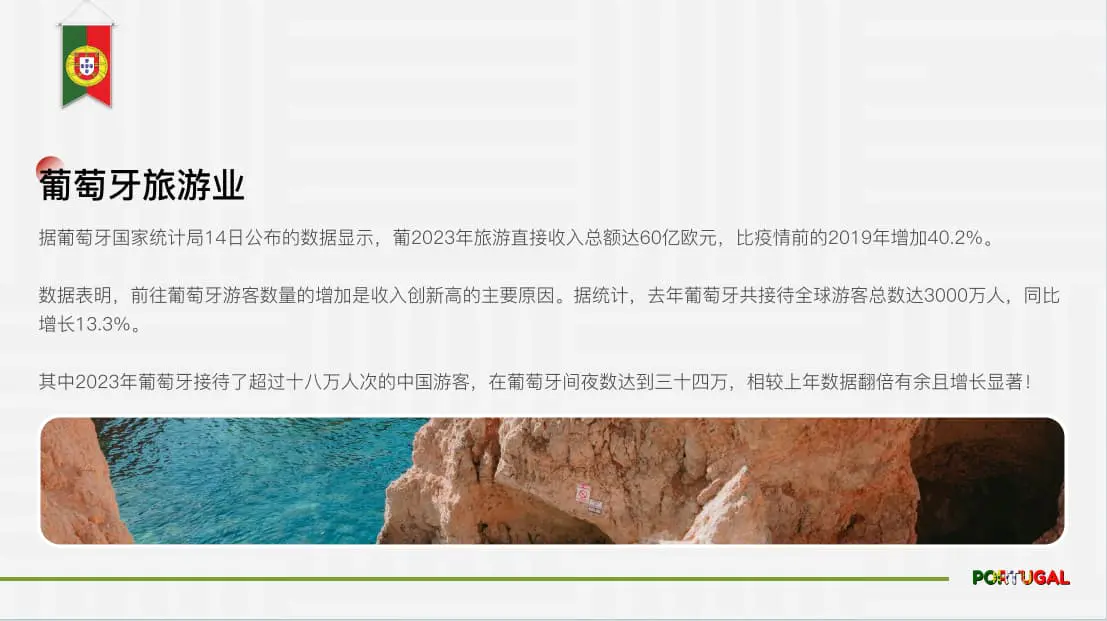
Why is Portugal a Hotspot for Immigration? An Introduction from Three Aspects: Economy, Education, and Policy

AIAIG Opinion
Regional Characteristics of Ho Chi Minh City and Hanoi in Vietnam
From the macro urban structure to the detailed breakdown of specific sectors, systematically analyze the demographic profiles, lifestyles, and infrastructure characteristics of affluent, middle-class, and common residential areas in Ho Chi Minh City and Hanoi, providing overseas investors with in-depth background information on the residential sectors in Vietnam's core cities (does not constitute any specific investment advice).
AIAIG Opinion
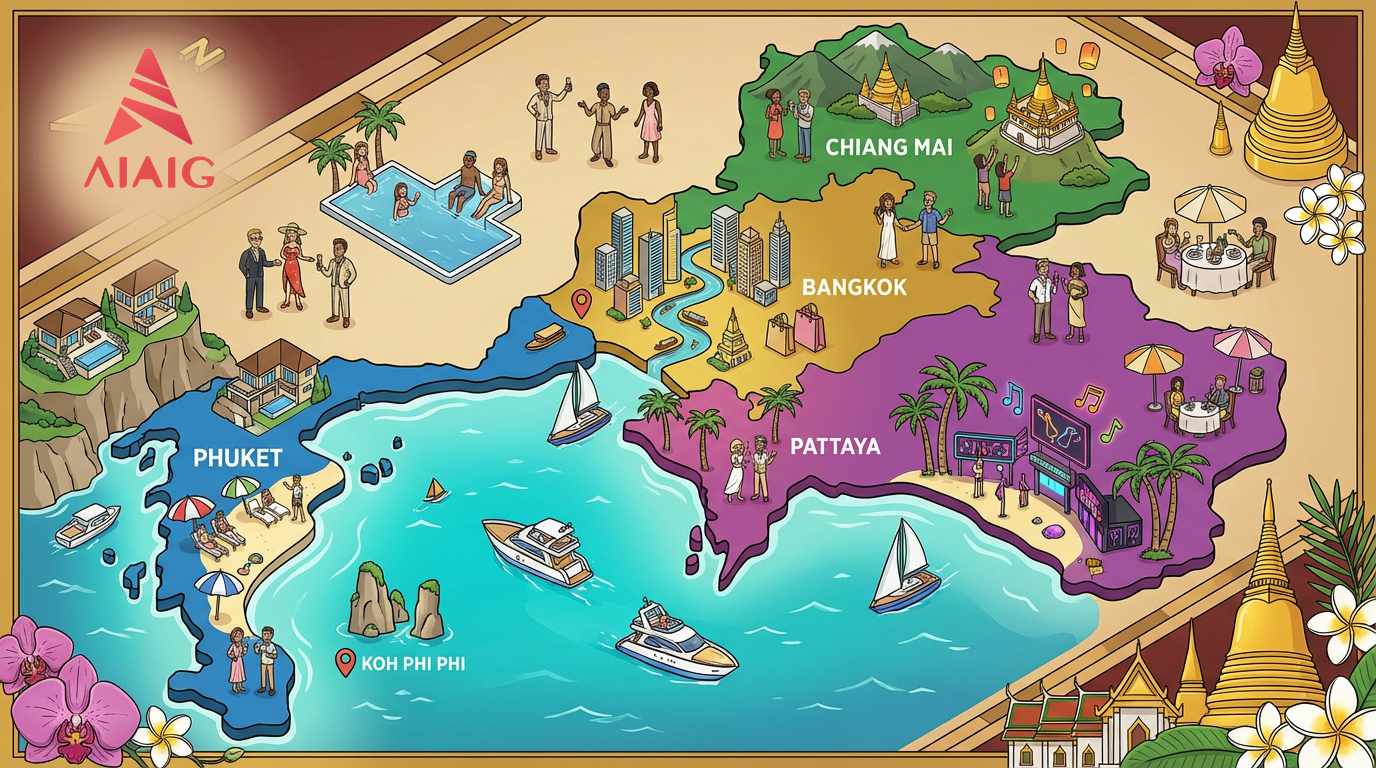
In-depth Guide to Wealthy People Gathering Cities and Regional Division in Thailand
Focusing on Thailand's two core cities—Bangkok and Pattaya, starting from the practical division of wealthy areas, commercial areas, and common people areas, systematically sorting out the housing prices, safety, infrastructure, lifestyle, and foreigner concentration in each region, and combining real estate investment and tourism scenarios to help foreign investors and tourists quickly understand Thailand's urban layout and local customs.
Education Migration
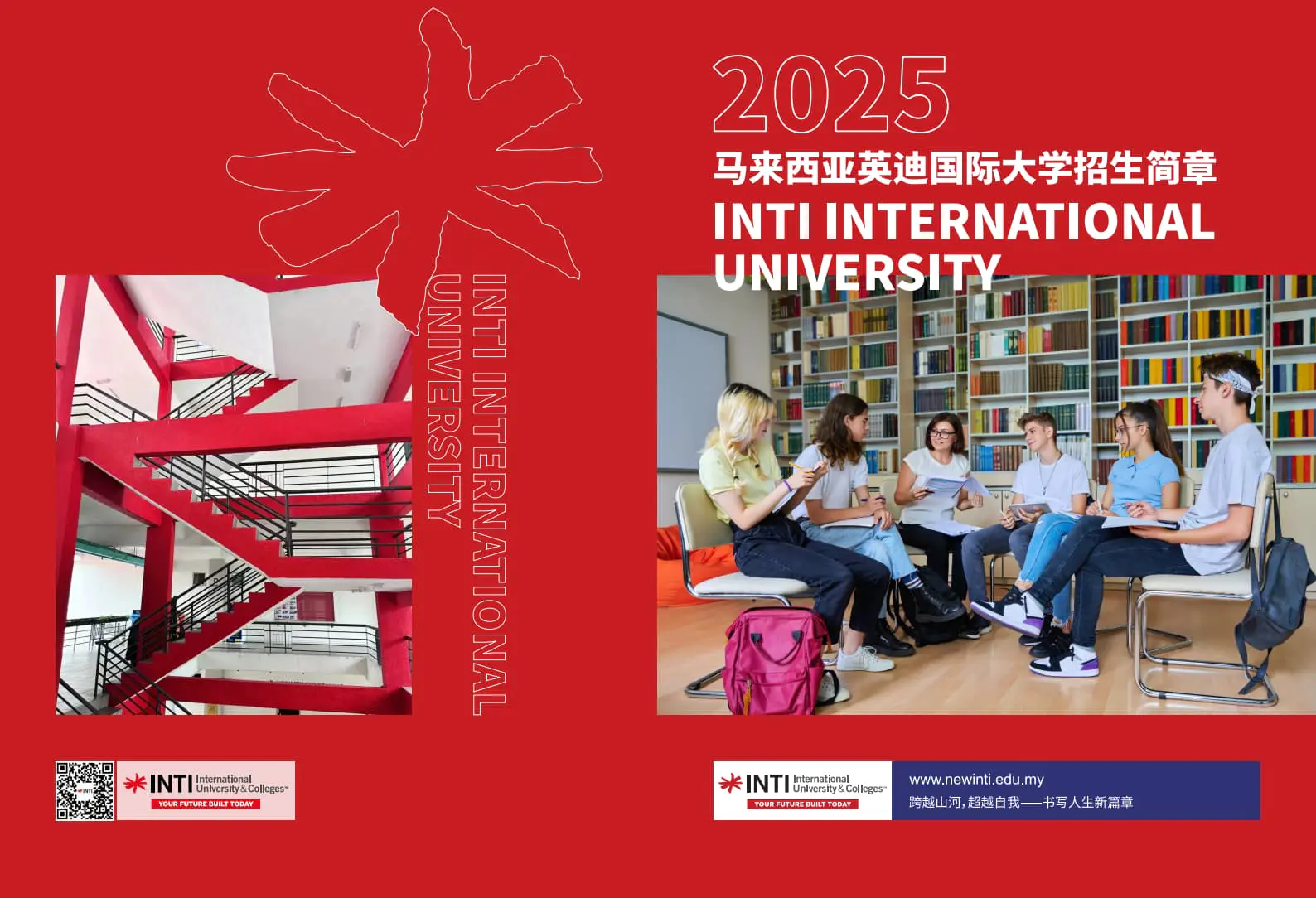
2025 Malaysia INTI International University Undergraduate, Master's, and Doctoral Admissions Brochure
Education Migration
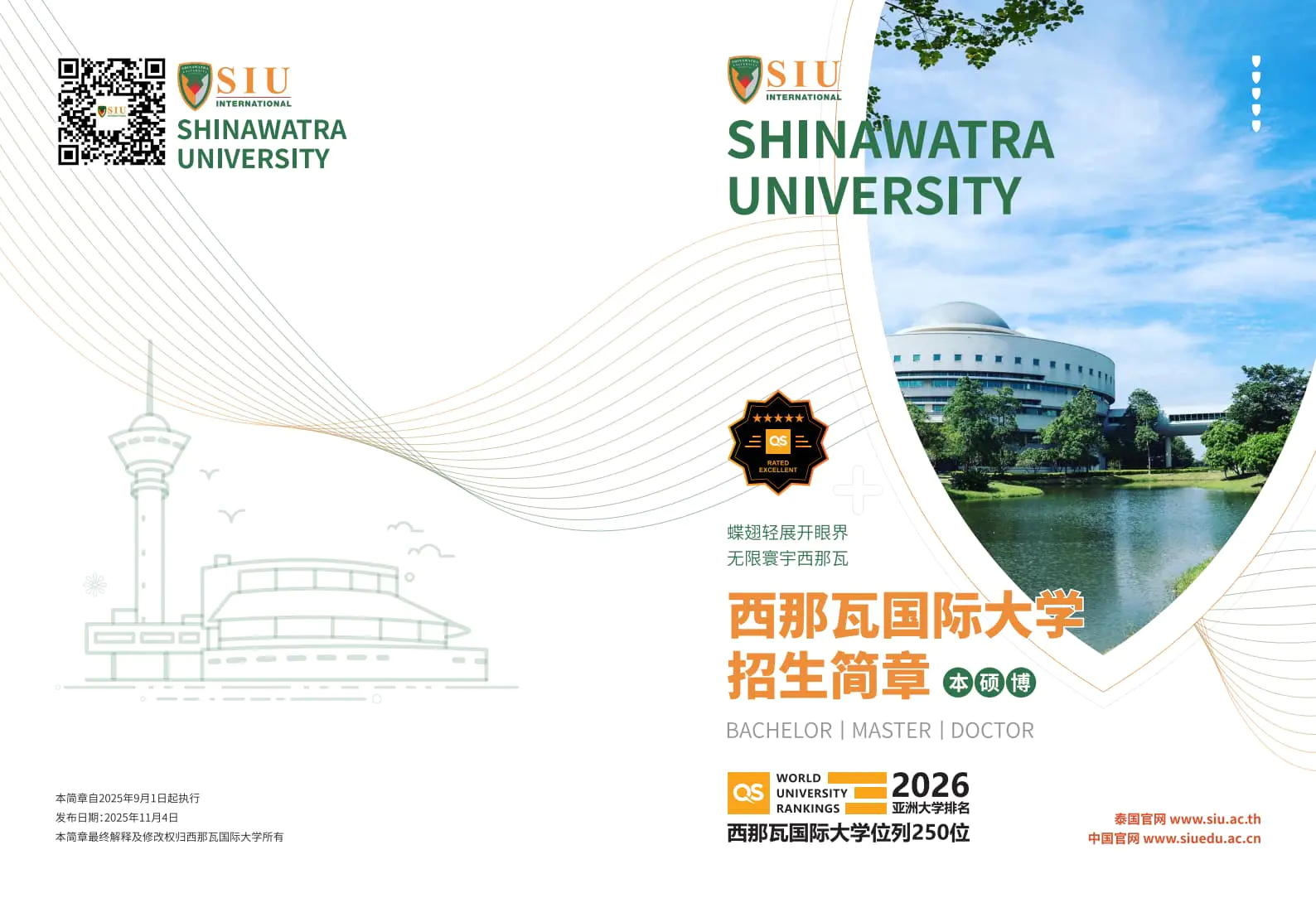
2025 Sivana International University Undergraduate, Master's, and Doctoral Admissions Brochure

AIAIG Opinion
Detailed Explanation of Dubai's Visa, Taxation, and Real Estate Investment Policies for 2025
This article provides an in-depth analysis of the visa system, tax and fee structure, real estate investment/holding costs, and market prospects for Chinese citizens in Dubai (Dubai/UAE) in 2025, and examines trends among Chinese investors and tourists.