Global Insights
International Insights, Global Perspective
AIAIG Opinion
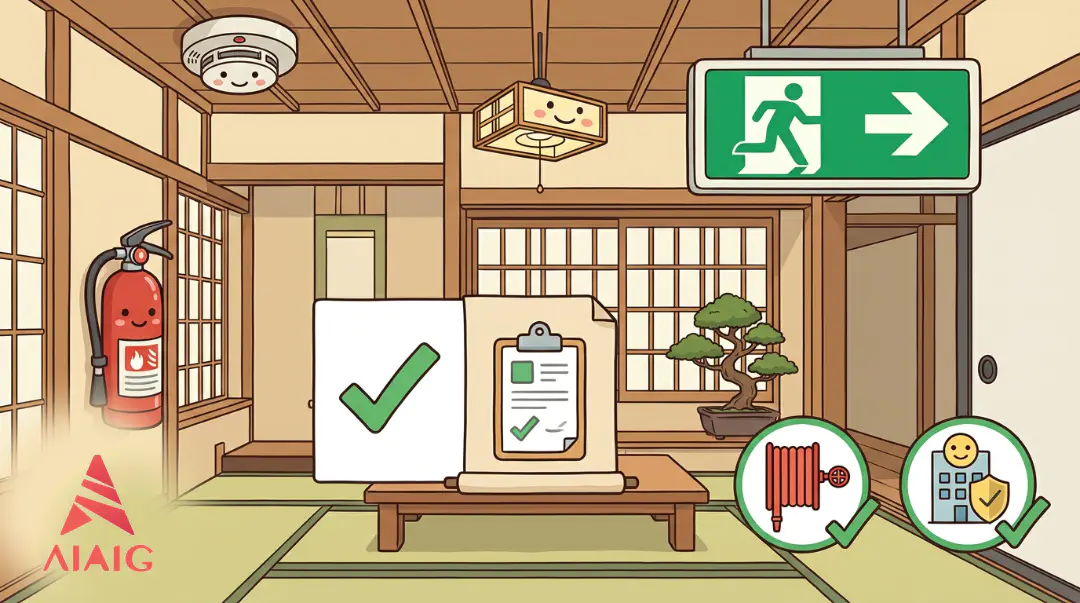
2026 Japan B&B Fire Inspection Pitfalls: Why Fails & Actionable Fixes
Many B&B projects fail not due to poor management but fire safety issues: incorrect equipment, missing notifications, inadequate escape routes, non-fireproof decor, lack of inspections... This article breaks down common failure points into actionable lists: each pitfall includes 'trigger causes—on-site questions—how to fix—cost and timeline estimates.' Applicable to both residential lodging (New B&B Law) and hotel industry (simple lodging) common aspects.

AIAIG Opinion
AIAIG Overseas Property Investment Weekly: 2026 Week 5 (Part 2) - Global...
This week's trends focus on a combined observation of 'funding costs (interest rates) + rental policies + price data': latest readings on US housing prices and mortgage rates, recent statements from Federal Reserve officials; continued tightening of rental regulations in Europe (Spain's rent and seasonal rental restrictions); Japan and Southeast Asia advance with 'anti-speculation/data supplementation' logic; Dubai strengthens rental registration and index tools. Overall, regions prefer stabilizing rental order and curbing short-term speculation over using aggressive policies to sharply adjust prices.

AIAIG Opinion
AIAIG Overseas Property Investment Weekly: Week 5, 2026 (Part 1) - Latest...
This issue focuses on regulatory and policy changes in Southeast Asia (Vietnam/Singapore/Thailand/Malaysia/Indonesia, etc.), Japan, and Dubai: Vietnam plans to introduce taxes to curb speculation and signals tighter credit; Singapore extends relaxed occupancy limits for rentals; Dubai DLD strengthens Ejari promotion and rent index usage; Japan expands foreign buyer reporting, collects nationality info, and introduces a new property ownership list system; Malaysia heats up discussions on stamp duty and tax reforms for foreign buyers; Indonesia continues/upgrades VAT incentives for home purchases. Suitable as an information base for this week's 'compliance and pre-transaction checks'.

AIAIG Opinion
Is Thailand Suitable for Long-Term Retirement? Visa, Healthcare, Cost of...
Thailand's appeal to retirees stems from 'flexible living costs + concentrated medical resources + mature expat communities,' but the turning point in long-term living experience often lies not in scenery, but in: visa sustainability (O/O-A/O-X/LTR), affordability of healthcare and insurance, and your tolerance for administrative processes and compliance. This article uses a clearer 'scorecard + checklist' structure instead of tables to help you quickly determine: which types of retirees Thailand is more suitable for, how to choose cities, and what pitfalls may only emerge in the second or third year.

AIAIG Opinion
Thailand Long-Term Residence Visa (Real Estate Investment) 2026: 3M THB...
This article systematically outlines the real estate investment pathway for Thailand's long-term residence visa, covering three methods under the 3 million THB threshold: property purchase, rental, and long-term lease, detailing financial requirements, document lists, photo specifications, family eligibility, and renewal cycles from 90-day temporary visas to 12–15-month long-term stays.

AIAIG Opinion
Marina Bay: Investment or Residence? Rent, Value, Life, Policy
Marina Bay (Marina Bay / Downtown Core) is a prime location combining 'global finance + landmark lifestyle,' but it is not a 'versatile asset.' This article uses a unified framework to analyze: investment focuses on cash flow (rent/vacancy/maintenance/taxes), capital on scarcity and cycles, policy on stamp duty and holding taxes, and residence on convenience and friction (crowds, noise, commute, family needs). Conclusion: If your goal is 'stable rental returns,' Marina Bay is often not the most efficient; if you prioritize 'asset prestige + long-term value + expat tenant demand,' Marina Bay is a better fit; if you are a family resident, you typically need very clear lifestyle preferences to match its pace.

AIAIG Opinion
Japan Homestay Permits: New Law, Hotel Law, Special Zones Compared | 2026 Guide
To operate a homestay (Minpaku/Airbnb/short-term rental) in Japan, the key is not 'if you can do it,' but choosing the right compliance path: ① New Homestay Law (Housing Accommodation Business Law, 180-day limit) ② Hotel Business Law (simple accommodations, year-round) ③ Special Zone Homestays (National Strategic Special Zones, often with minimum stay requirements). This article breaks down the process from 'assessment → material preparation → submission → operation → ongoing compliance' and highlights common pitfalls for foreign investors, such as property/apartment rules, fire safety, and local regulations.
AIAIG Opinion
International School Holidays Differ from Public System

AIAIG Opinion
Hidden Costs of Overseas Property: Maintenance, Vacancy, Taxes, Exchange...
The true determinant of returns in 'overseas property buying' is often not the listing price, but hidden costs: maintenance and major repair funds, vacancy and tenant turnover, various taxes (purchase/holding/rental/sale), cross-border remittances, and exchange rate fluctuations. This article provides a ready-to-use checklist and stress test framework, combined with typical fee structures in common destinations like Japan, Thailand, Malaysia, Dubai, and the UK, to help you calculate cash flow clearly before buying (2026 update).
AIAIG Opinion
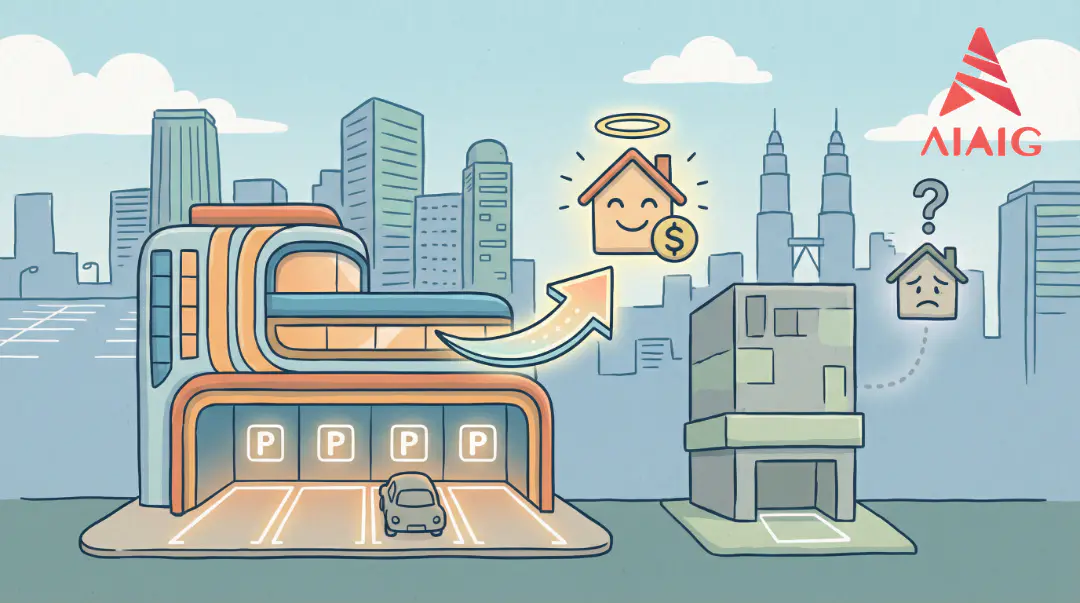
How Parking Configurations Impact Rental Value in Kuala Lumpur Apartments:...
In Kuala Lumpur (especially in high-end and serviced apartments), 'parking spaces' are often not just amenities but key factors determining rent, vacancy periods, and tenant quality. This article uses a quantifiable framework to explain the rental premium logic for: 1 space/2 spaces/no fixed space/tandem/EV charging/visitor spaces; and combines Malaysia's stratified title and Accessory Parcel rules to clarify whether spaces can be rented separately, how to include them in leases, and how to evaluate parking as a 'cash flow component' when buying property.
.jpg?imageView2/2/w/3840/q/75/format/webp)
AIAIG Opinion
AIAIG Overseas Property Investment Weekly: 2026 Week 4 (Part 2): Global Price...
This week's trend focus: In Vietnam, amid 'significant price increases over the past year + new area vacancies', anti-speculation tax expectations and more cautious credit pacing jointly become price variables; Singapore extends the relaxation of rental occupancy limits to 2028, indicating ongoing rental demand pressure and priority for rental certainty; Dubai's rental market continues to regularize, with Ejari and official rent indices making rent increase boundaries more calculable; Japan's trend is not centered on short-term fluctuations, but 'transparency and traceability' become the new norm. Part 2 does not provide buying or selling conclusions, only offers reusable trend judgment chains and key points to track next week.
.jpg?imageView2/2/w/3840/q/75/format/webp)
AIAIG Opinion
AIAIG Overseas Property Investment Weekly: 2026 Week 4 (Part 1) - Latest Real...
This week's policy focus is clear: Vietnam publicly discusses using tax policies to curb real estate speculation and emphasizes strengthening control over high-risk areas like real estate in credit; Singapore extends the relaxation of rental occupancy limits to the end of 2028, continuing to support the rental market; Dubai Land Department launches the Ejari campaign and enhances the official rent index tool; Japan advances the real estate registration system with a 'property summary by person' certification (starting February 2026), improving transparency and traceability. This article uses 'how policies change transaction friction and certainty' as the main theme to outline key changes this week and their actionable impacts on overseas property buyers.