Global Insights
International Insights, Global Perspective
Newest Policy
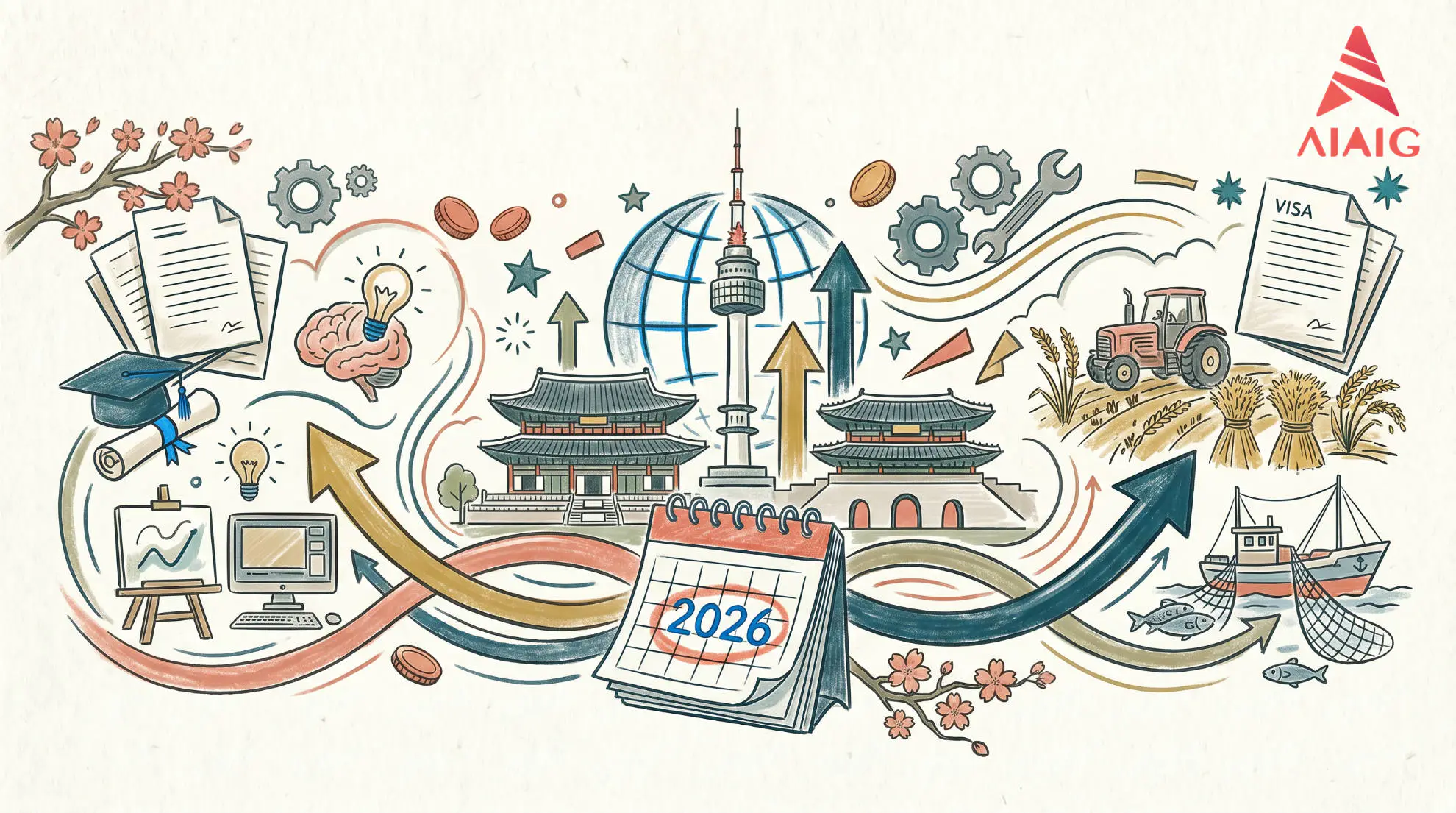
South Korea Immigration Policy 2026: Global Talent Visa Expanded, New Agriculture & Fisheries Worker Visa
South Korea's 2026 Immigration Policy Strategy expands Global Talent Visa to STEM professors and researchers, introduces new agriculture & fisheries skilled worker visa, and simplifies work visa procedures for international graduates

Newest Policy
Canada Immigration Policy Overhaul 2025-2028: Permanent Resident Quota Cut to 380,000, Express Entry Points Removed
Canadian government announces major immigration policy adjustments for 2025-2028, cutting annual permanent resident quota from 500,000 to 380,000 and removing Express Entry job offer points to combat immigration fraud

Newest Policy
Japan Business Manager Visa Reform 2025: Capital Requirement Raised to JPY 30 Million, Effective October 16
Japan Immigration Services Agency announces major Business Manager visa reforms effective October 16, 2025. Minimum capital requirement increased sixfold from JPY 5 million to JPY 30 million, with added requirements for Japanese language proficiency, local employee hiring, and physical office space.

Education Migration
Classrooms in International Schools Quietly Change in the AI Era
Education Migration
What Parents Should Know About College Admissions Guidance

Education Migration
Thailand Universal Education Policy 2025: All Schools Must Accept Foreign Students, Launches G Code Identity System
Thailand Ministry of Education mandates all schools to accept foreign students regardless of nationality from 2025 academic year, launches G Code identity system for students without Thai documentation. Offers scholarships and long-term student visas, significantly enhancing education inclusivity.
Education Migration
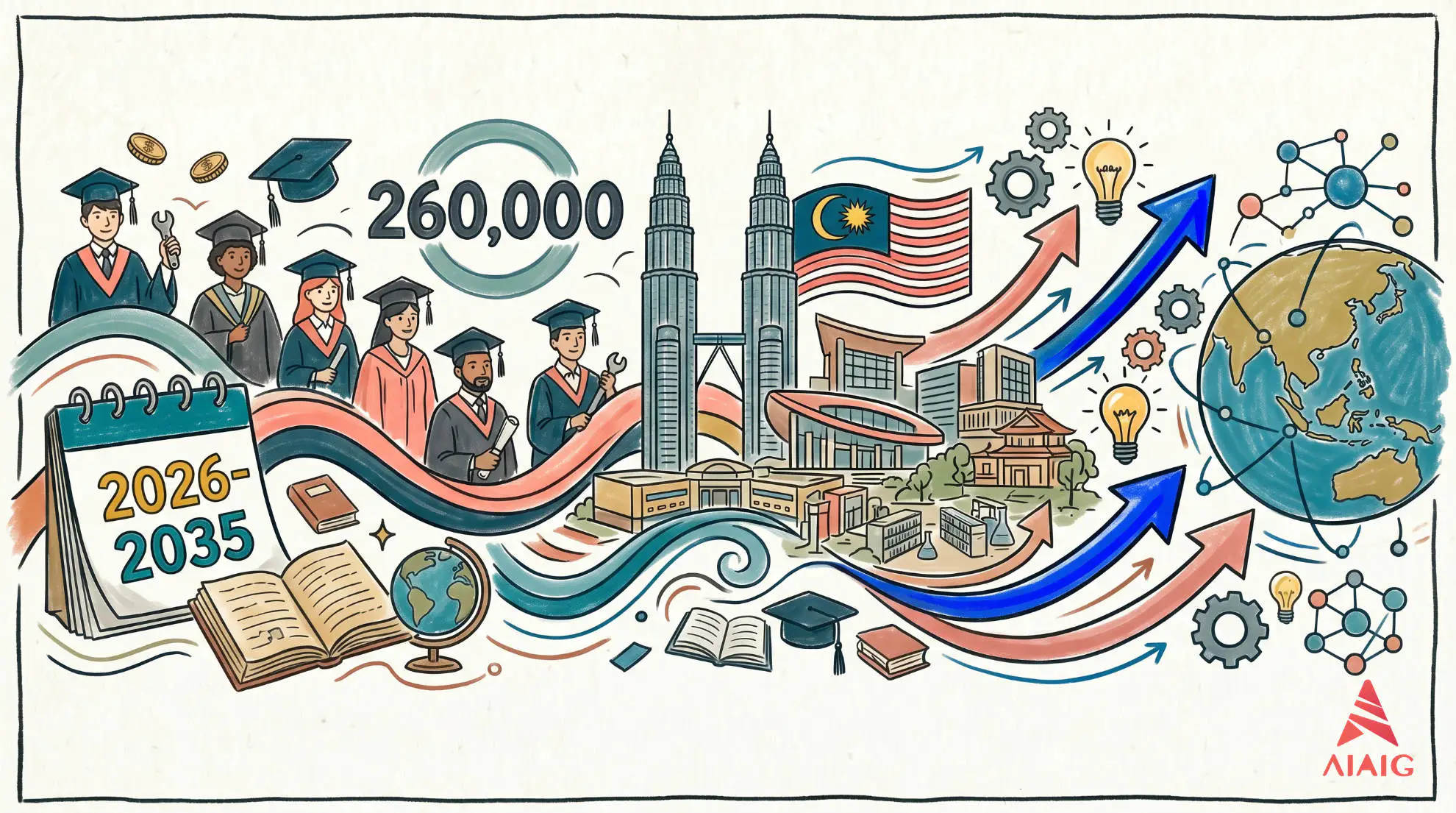
Malaysia Higher Education Blueprint 2026-2035: Targeting 260,000 International Students, Building SEA Education Hub
Malaysia launches 10-year Higher Education Blueprint, targeting 260,000 international students by 2030 with 8.5% annual growth. Focus on postgraduate recruitment, offering Muslim-friendly environment and affordable tuition, emerging as SEA education hub.

AIAIG Opinion
Philippines/Vietnam Real Estate Investment Guide 2026: Foreign Ownership Limits and Yield Comparison
Philippines allows foreign condo purchases (40% cap per building) with 99-year land lease options, showing selective market recovery. Vietnam offers 50-year renewable apartment ownership (30% cap per building), but 90% of foreign purchases are cash-only. Both markets show 2026 recovery signals with distinct foreign ownership frameworks.

Newest Policy
UK Immigration Tightening 2026: Work Visa Salary Hike to £41,700, Graduate Visa Cut to 18 Minutes
UK implements strictest immigration reforms in decades with Skilled Worker salary rising to £41,700, Graduate visa cut to 18 months, and English requirements up from B1 to B2.
Education Migration
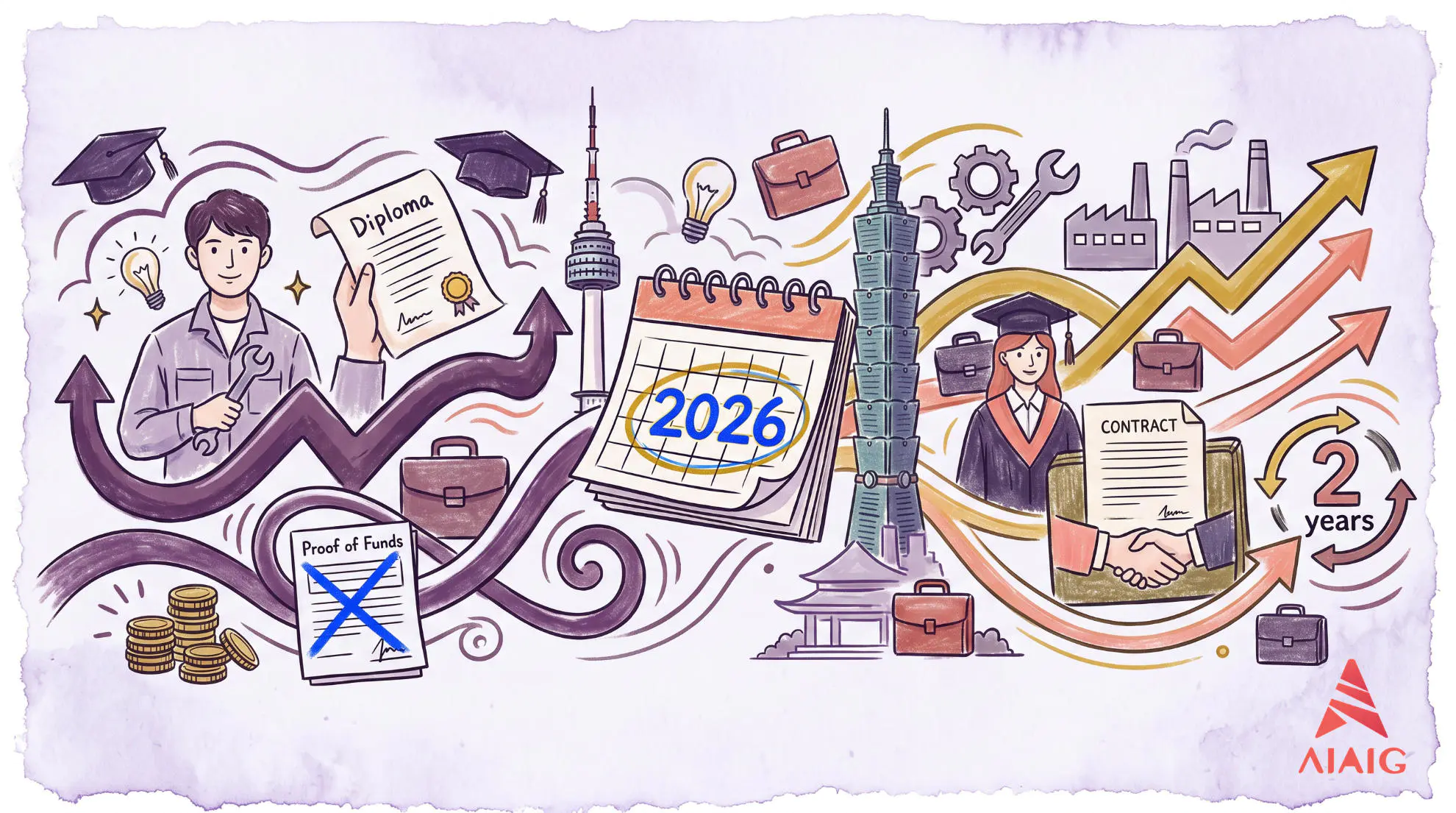
Korea/Taiwan 2026 Student Visa Reforms: Korea Vocational Schools Waive Bank Proof, Taiwan 2-Year Open Work Permit
Korea and Taiwan significantly ease student visa policies in 2026: Korea waives bank proof for vocational students with TOPIK 3, increases work hours to 35/week; Taiwan offers 2-year open work permits, PhDs can deduct 3 years from permanent residency.

Education Migration
Australia Tightens Subclass 485 Visa: Age Limit Cut to 35, IELTS Raised to 6.5 in 2026
Australia implements major reforms to Temporary Graduate Visa (Subclass 485) in 2026, reducing age limit to 35 (with PhD/research exemptions), raising IELTS to 6.5 overall (no band below 5.5), doubling visa fee to AUD 4,600, and scrapping COVID-19 extension.

Newest Policy
Malaysia Raises Employment Pass Salary Threshold to RM20,000 in 2026
Malaysia implements major work visa reforms from June 1, 2026, raising Employment Pass salary thresholds up to RM20,000 (approx. $5,000 USD), fixing visa duration at 5-10 years, and requiring companies to develop local succession plans.